
California’s Proposition 47, introduced in 2014, promised a compassionate approach to drug policy through harm reduction programmes and decriminalisation. A decade later, the results paint a devastating picture of good intentions gone catastrophically wrong.
The Promise vs The Reality
When Proposition 47 passed, lawmakers sold it as progressive reform. By decriminalising drug possession and reclassifying theft under $950 as misdemeanours, they claimed resources could shift from punishment to rehabilitation. Harm reduction programmes would provide clean needles, healthcare access, and support services to help addicts recover.
The theory was sound. The execution proved fatal.
When Harm Reduction Becomes Harm Enablement
San Francisco’s experience reveals the dark side of poorly implemented harm reduction. The city now provides addicts with clean needles, healthcare, and in some cases, even free alcohol. Whilst preventing bloodborne diseases sounds laudable, these programmes created an unintended consequence: they removed every barrier to continued drug use.
Addicts now have everything they need to keep using, completely free of charge. Clean equipment. Medical care. No police intervention. No mandatory rehabilitation. The streets have become open-air drug markets where people openly buy, sell, and inject substances without consequence.
The results? Overdose deaths in San Francisco exploded from roughly 100 per year before Proposition 47 to over 500 afterwards. Compare this to New York, where overdose deaths increased at only half that rate. California’s “compassionate” approach is killing people faster than traditional enforcement ever did.
The Fatal Flaw in the Logic
Modern street opiates are so potent that clean needles barely matter. Fentanyl and its analogues kill users long before bloodborne diseases ever could. By providing all the tools for “safer” drug use whilst decriminalising possession, California essentially normalised public drug consumption and addiction.
The programmes operate under a dangerous assumption: that addicts simply need support to recover when they’re ready. But addiction doesn’t work that way. Without intervention, structure, or consequences, many users remain trapped in cycles they cannot break alone.
Billions Spent, Thousands Dead
Between 2018 and 2023, California spent £24 billion on homelessness programmes, many incorporating harm reduction principles. During that same period, the homeless population increased by 30,000 people. San Diego alone spent over £2 billion between 2015 and 2022 with homelessness continuing to spiral.
Where did the money go? A state audit revealed California rarely tracked spending or measured outcomes. Recent examples expose the dysfunction: Santa Monica approved “basic” homeless housing units costing over £1 million each. Los Angeles spent £50 million on a luxury apartment building for homeless residents in 2022. Two years later, not a single unit has been occupied.
This isn’t compassion. It’s corruption masquerading as care.
The Cycle of Dependency
Proposition 47 created a perfect storm. Drug possession is effectively legal. Theft under £950 goes unpunished. Harm reduction programmes provide free supplies. Police lack resources and authority to intervene. The result? An estimated 70% of California’s homeless population lives on the streets rather than in shelters, many trapped in active addiction.
The numbers are staggering. Over 180,000 homeless people live in California, representing more than a quarter of America’s entire homeless population. Between 2007 and 2022, homelessness increased by 30%. In just the following year, it rose another 5.7%.
Harm Reduction Without Accountability
True harm reduction requires more than free needles and passive observation. It demands intervention, treatment capacity, and accountability measures. California’s version provided the former whilst abandoning the latter.
By removing consequences for drug possession and use, the state eliminated one of the few remaining motivations for addicts to seek treatment. By failing to track outcomes or spending, it created a system ripe for exploitation. By prioritising ideology over results, it condemned thousands to death on the streets.
The Path Forward
Harm reduction can work when paired with robust treatment infrastructure, accountability, and balanced enforcement. Portugal’s model, often cited by advocates, includes decriminalisation but mandates treatment assessments and provides extensive rehabilitation resources. California cherry-picked the permissive elements whilst ignoring the crucial support structures.
As California finally considers reversing Proposition 47, the lesson is clear: compassion without accountability isn’t kindness. It’s abandonment. Free needles without treatment pathways don’t reduce harm. They subsidise addiction whilst absolving society of responsibility for intervention.
Real harm reduction means helping people escape addiction, not making it easier to remain trapped. California’s experiment proves that decriminalisation without comprehensive treatment infrastructure doesn’t free people from addiction’s grip. It simply moves their suffering from behind closed doors onto public streets, where we can all watch them slowly die whilst congratulating ourselves on being “progressive.”
The chaos in California’s cities isn’t a failure of harm reduction principles. It’s a failure to implement them with the accountability, funding transparency, and treatment capacity required to actually reduce harm. Anything less is harm promotion dressed up as care.
The statistics don’t lie: 500% increase in overdose deaths, £24 billion spent with homelessness increasing by 30,000 people, and entire city centres transformed into open-air drug markets. This isn’t what compassionate drug policy looks like. It’s what happens when ideology trumps outcomes and accountability disappears from public policy.
California serves as a stark warning: decriminalisation without proper infrastructure, transparent spending, and mandatory treatment options doesn’t reduce harm. It multiplies it.
See more at: MSN
The U.S. Senate has passed a federal funding bill that makes intoxicating hemp-derived THC products illegal, closing the “hemp loophole” that allowed substances like delta-8 THC to be sold widely and unregulated (mjbizdaily.com). This legislation protects children and communities nationwide, while preserving legal non-intoxicating hemp uses such as CBD, fibre, and industrial applications.
Key supporters include Kevin Sabet and the SAM team, along with Senators Mitch McConnell, John Thune, and Mike Crapo, whose efforts ensured that intoxicating hemp products will no longer slip through the cracks of the 2018 Farm Bill. While the bill takes full effect in a year, states are urged to act now to prevent the sale and distribution of these dangerous products.
This marks a major victory for families, public health, and the broader movement to resist nationwide marijuana legalization efforts.
See more at: AALM.info


For the first time in years, drug trafficking dominated the UN General Assembly and exposed deep global divisions. Trump’s call for military strikes on drug traffickers met fierce pushback from Colombia’s President Petro, highlighting the stark divide between enforcement-heavy and public health approaches. With 316 million people worldwide using illicit drugs (up 28% in a decade), the debate over how to respond has never been more urgent.
Read the full story: WRD News
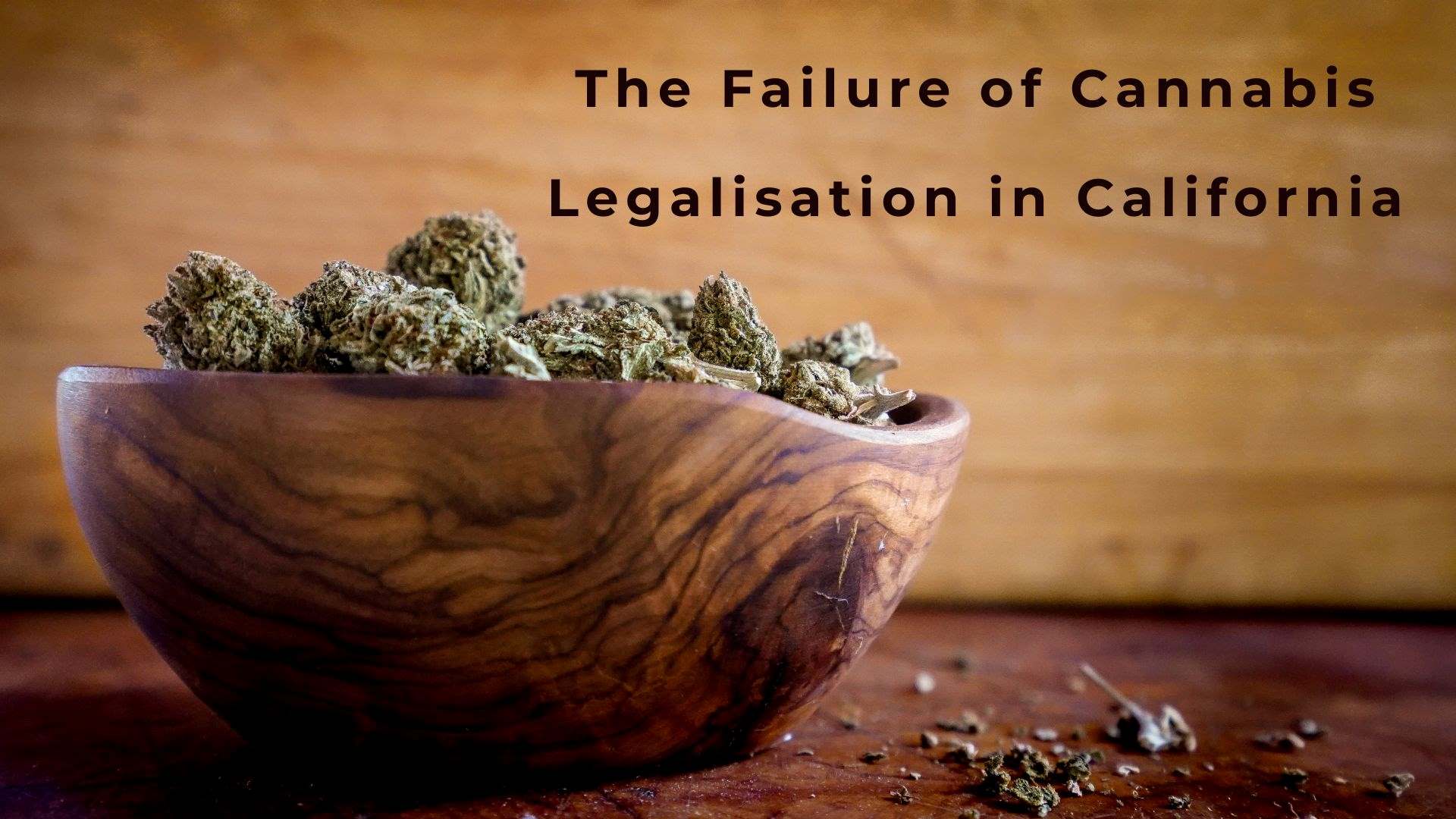
New data reveals California cannabis legalisation failure as black market volumes increase by 20% whilst consumption soars among heavy users
A comprehensive report on California’s cannabis market has delivered a damning verdict on the state’s cannabis legalisation failure, revealing that the promised elimination of criminal drug networks has spectacularly failed to materialise. Instead, the data shows that black market volumes have actually increased whilst overall consumption has rocketed by 90%.
The California Cannabis Market Outlook 2024, prepared by ERA Economics for the Department of Cannabis Control, provides sobering evidence of this policy disaster that should serve as an urgent warning to policymakers considering similar liberalisation measures.
Black Market Thriving Despite Legal Competition
Perhaps most striking evidence of the California cannabis legalisation failure is the report’s finding that criminal drug dealers have not been displaced as promised by legalisation advocates. In 2017, before legal dispensaries opened, per capita cannabis consumption stood at approximately 29 grams annually – all supplied through illegal channels.
By 2024, seven years after legalisation began, the black market continues to dominate, controlling an estimated 62% of total supply. With overall consumption having surged to 56 grams per capita, this means criminal networks are now selling approximately 35 grams per person annually – a 20% increase in absolute volume compared to the pre-legalisation period.
The report estimates that drug dealers are now distributing around 2.3 million pounds of dried cannabis annually in California alone, demonstrating that this policy has completely missed its primary stated objective of eliminating criminal involvement in the drugs trade.
Consumption Explosion Undermines Public Health Claims
The data reveals another concerning aspect of the California cannabis legalisation failure that undermines public health arguments. The 90% increase in consumption since 2017 has been “primarily driven by an increase in heavy cannabis users,” according to the report’s findings.
This contradicts assurances from legalisation proponents that regulated markets would promote responsible use. Instead, the evidence suggests that legal availability has enabled existing users to dramatically increase their consumption levels, with obvious implications for dependency and associated health harms.
The report notes that California’s per capita consumption remains “still lower than in states that legalised recreational cannabis before California,” suggesting that further increases may be inevitable as this policy continues to unfold.
Economic Incentives Favour Criminal Networks
Whilst criminal organisations face some pricing pressure from legal competition, the California cannabis legalisation failure report suggests they may actually benefit from reduced operational costs. Operating “from within the cover of a wider legal market” appears to have made distribution and production easier for illegal suppliers.
The document notes that wholesale prices have declined substantially, which from a public health perspective represents a particularly troubling development, as “cheaper drug drives up use & harms.”
Regulatory Burden Compounds Policy Problems
The report inadvertently highlights why this California cannabis legalisation failure was perhaps inevitable. Licensed operators face extensive regulatory compliance costs, taxation, and administrative burdens that illegal suppliers simply ignore.
The document reveals that California’s “excise taxes and licensing fees for cannabis are roughly 77.5 percent of wholesale value” – an enormous regulatory burden that makes legal products fundamentally uncompetitive with untaxed criminal alternatives, contributing to the overall policy disaster.
International Implications for European Policymakers
The California cannabis legalisation failure carries particular significance for European policymakers, especially in Germany where similar legalisation measures are being implemented. This experience demonstrates that promises of eliminating criminal markets through legalisation are fundamentally flawed.
Drug trafficking organisations have proven remarkably adaptable, maintaining and even expanding their market share despite legal competition. The 20% increase in black market volumes shows that criminal networks view legalisation as a business opportunity rather than an existential threat.
Policy Disaster Demands Reconsideration
The California cannabis legalisation failure represents a comprehensive refutation of the key arguments advanced by legalisation advocates. Rather than eliminating criminal involvement, reducing consumption, or improving public health outcomes, this policy shows:
Criminal market volumes have increased by 20%
Overall consumption has surged by 90%
Heavy use has driven consumption increases
Black markets continue to dominate with 62% market share
Pricing pressures may actually reduce barriers to use
This represents a policy disaster of extraordinary proportions, with implications extending far beyond California’s borders. Policymakers worldwide must carefully examine this evidence before pursuing similar liberalisation measures that appear to worsen rather than resolve the problems they claim to address.
The promise that legalisation would eliminate criminal drug networks has proven to be not merely optimistic, but fundamentally incorrect. The California experience demonstrates that evidence-based drug policy must prioritise prevention and enforcement rather than legitimising substances that cause demonstrable public health harms.

Colorado’s journey with cannabis legalisation has delivered shocking consequences that extend far beyond what policymakers anticipated. New data reveals alarming trends in emergency room visits, youth mental health crises, and widespread campus drug use that highlight the serious cannabis legalisation effects in Colorado.
Emergency Room Crisis: Psychosis Cases Skyrocket
The most disturbing cannabis legalisation effects in Colorado emerge from Denver Health emergency departments, where psychosis-related hospitalisations among youth aged 10-29 have surged dramatically since policy changes began in 2009.
Before the Ogden Memo expanded medical cannabis access, monthly psychosis hospitalisation rates stood at 21.9 per 100,000. Following full recreational legalisation, these figures jumped to 32.3 per 100,000—a staggering 47% increase that has overwhelmed hospital resources.
Even more alarming is the explosion in psychosis cases involving cannabis use disorder. These emergency interventions increased from just 2.0 per 100,000 before policy changes to 8.5 per 100,000 after legalisation—a catastrophic 325% surge that has created unprecedented demand for psychiatric emergency services.
College Campus Drug Culture Spirals Out of Control
University campuses across Colorado reveal the devastating social impact of normalised cannabis use. A shocking 93% of college students believe their peers are current marijuana users, creating intense social pressure and a culture where drug use appears universal.
Whilst actual usage rates are lower at 32.8%, Colorado college students still consume marijuana at rates 12% higher than the national average. This demonstrates how cannabis legalisation effects in Colorado have fundamentally altered campus environments, making drug use seem both normal and expected among young adults.
The massive gap between perception (93%) and reality (32.8%) creates a dangerous feedback loop where students feel pressured to use cannabis to fit in with what they believe is universal behaviour.
Hospital System Overwhelmed by Cannabis-Related Cases
Healthcare providers report unprecedented increases in marijuana-related emergency department visits since legalisation. Hospital billing codes now regularly feature cannabis-related diagnoses, reflecting both increased usage and the willingness of patients to disclose consumption without fear of legal consequences.
The transition from ICD-9 to ICD-10 diagnostic coding systems revealed the true scope of cannabis-related medical emergencies, with expanded marijuana-specific codes capturing cases that were previously masked or misclassified.
Emergency departments now routinely handle cases involving cannabis intoxication, anxiety reactions, and psychiatric episodes—medical crises that were rare before Colorado’s policy experiment began.
Youth Mental Health Crisis Deepens
The most vulnerable victims of cannabis legalisation effects in Colorado are young people experiencing severe psychiatric emergencies. Hospital data shows that patients requiring psychosis-related treatment are predominantly male (68%), white (53%), and Medicaid recipients (59%).
Interrupted time series analysis revealed a significant acceleration in psychosis hospitalisation trends following recreational legalisation. The monthly rate of increase for cannabis-related psychosis cases jumped from 0.02 per 100,000 to 0.11 per 100,000—a five-fold acceleration that coincided directly with policy implementation.
Schools Struggle with Disciplinary Chaos
Educational institutions report increasing challenges managing drug-related incidents on campus. Whilst marijuana-specific disciplinary tracking only began in 2016-2017, school administrators confirm that rising drug discipline trends correlate strongly with increased cannabis accessibility and social acceptance.
The legalisation experiment has fundamentally altered school environments, with educators reporting greater challenges maintaining drug-free educational spaces as community attitudes shift towards cannabis normalisation.
The True Cost of Colorado’s Cannabis Experiment
Colorado’s cannabis legalisation effects extend far beyond tax revenue and criminal justice savings. The state now grapples with overwhelmed emergency departments, rising youth psychosis rates, campus drug cultures, and educational disruption—consequences that policymakers failed to anticipate or plan for adequately.
The dramatic increase in emergency psychiatric interventions among young people represents a public health crisis that threatens an entire generation’s mental wellbeing. These aren’t minor policy adjustments—they’re life-altering medical emergencies requiring intensive hospital treatment.
The data from Colorado serves as a stark warning for other jurisdictions considering similar policy changes. The human cost of cannabis legalisation, measured in emergency room visits and shattered young lives, far exceeds any perceived benefits from this reckless policy experiment.

America is facing the worst drug crisis in its history, and the numbers are staggering. Nearly 100,000 people died of drug overdoses last year alone—a death toll that has now surpassed one million since the year 2000. Fentanyl leads the charge, but it’s not the only culprit. According to author and drug policy expert Dr. Kevin Sabet, our approach to drugs is also killing us.
In One Nation Under the Influence, Sabet lays out a roadmap for reversing the crisis—and calls on the nation to summon the political will to act.
Policy Failure Is Fueling the Crisis
America’s drug overdose epidemic didn’t appear out of nowhere. Sabet argues that a permissive and fragmented policy environment allowed it to thrive. While fentanyl and synthetic opioids dominate headlines, methamphetamine, high-potency marijuana, and other substances are quietly wreaking havoc as well.
But the bigger issue, Sabet insists, is that “our policy is.” Lax enforcement, aggressive commercialisation, and the normalization of drug use have all contributed to a deadly national trajectory.
A Voice from the Front Lines
Kevin Sabet isn’t speaking from the sidelines. He’s been immersed in the drug policy debate for decades, advising three U.S. presidents and founding the advocacy group Smart Approaches to Marijuana (SAM). Salon magazine has dubbed him “the quarterback of the new anti-drug movement.”
In this book, he tackles the tough questions head-on:
– Why have U.S. policies failed so dramatically?
– How has legalisation shaped public attitudes and health outcomes?
– What alternatives actually work?
His journey spans the streets of San Francisco and New York, through the southern border and up into Canada and Europe, all in search of policies that protect people—not profits.
Solutions Exist If We Choose Them
Sabet’s message is clear: We don’t lack solutions. We lack resolve. Prevention, early intervention, and treatment models that centre on recovery and accountability already exist—and are working in pockets across the world.
What’s needed is a paradigm shift: one that acknowledges drug use as both a public health and societal challenge, rather than simply a matter of personal choice or freedom.
No One Is Immune
Sabet underscores that this is not a fringe issue. From inner cities to rural towns, no community is untouched by addiction. He pushes back against narratives that glorify drug use or treat it as harmless, warning that normalisation has deadly consequences, especially for youth and vulnerable populations.
A Call to National Conscience
One Nation Under the Influence isn’t just a policy critique. It’s a call to conscience, as Sabet combines research, real-world examples, and on-the-ground insights to challenge readers to expect more from their leaders and communities.
“The solutions are out there,” he writes. “If only we have the will to apply them.”

Doctors are raising red flags about Oregon youth cannabis risk after witnessing increasing numbers of young people developing severe mental health issues. High-potency marijuana products are placing teenagers in harm’s way, leading to psychosis and other psychiatric disorders.
Dr David Rettew, who treats troubled adolescents in Lane County, speaks frankly about his observations. “I don’t want to be apocalyptic about cannabis, but it is particularly risky for youth,” he informed Oregon senators this week.
When it comes to young minds, prevention beats cure every time
The Numbers Tell a Worrying Story
The Oregon youth cannabis risk represents more than medical theory – it manifests in educational institutions currently. Nearly half of Year 11 students consider regular marijuana use relatively harmless. Approximately one-third of Year 8 pupils share this perception.
This constitutes a significant concern when considering teenage marijuana mental health dangers are substantiated. Dr Rettew explained that most individuals with substance dependencies – approximately 90% – initiated substance use during adolescence.
“People understand that tobacco and alcohol are dangerous,” he stated. “However, people do not recognise that cannabis is dangerous.”
Prevention is protection – don’t gamble with developing minds.
Why Today’s Cannabis Is Different
The Oregon youth cannabis risk has grown because today’s marijuana isn’t like the stuff from decades past. THC levels used to hover around 4-7%. Now they’re hitting 25-35% or even higher in some products.
Think of it like the difference between beer and spirits. The stronger the product, the bigger the teenage marijuana mental health dangers become. Multiple studies now link heavy cannabis use in young people with increased chances of developing schizophrenia.
Dr Rettew articulates this clearly: “There exists substantial evidence that cannabis increases the risk of psychotic disorders more than other substances, including methamphetamines, which is surprising.”
Marketing That Targets Kids
Part of the Oregon youth cannabis risk comes from how these products are sold. Lee Stewart, who campaigns for prevention, sees the problem everywhere she looks.
“There are lots of flavoured candies and flavoured vapes like watermelon splash and orange dreamsicle,” she explained. “It comes with exciting labels and eye-catching images that are attractive to young people.”
The teenage marijuana mental health dangers get worse when kids think they’re buying something safe. Cannabis shops use green crosses – medical symbols that make products look healthy rather than harmful.
Schools Aren’t Teaching the Truth
Oregon law says every state school must have proper drug education programmes. But investigations show 60% of schools don’t use evidence-based prevention curricula at any level.
That educational gap makes the Oregon youth cannabis risk much worse. Kids aren’t learning about teenage marijuana mental health dangers in school, and they’re not hearing about them at home either.
Wes Rivers, who analyses drug policy for the state, says most young people with substance problems first used drugs at school. Without proper education, students have no idea what they’re getting into.
Parents Need to Step Up
Paul Bryant operates a recovery facility and has assisted struggling families since 2004. He believes parents possess the key to reducing Oregon youth cannabis risk.
“Parental involvement proves hugely important,” Bryant stated. “Research demonstrates that parental attitudes discouraging substance use actually reduce youth consumption.”
His recommendation is straightforward: parents must communicate clearly with their children about cannabis use. No ambiguity, no mixed messages regarding teenage marijuana mental health dangers.
“I don’t want you doing this. It’s not acceptable. I don’t want it in my house,” represents what Bryant believes parents should communicate.
Strong families build drug-free communities – this principle guides effective prevention strategies.
The Business of Getting Kids Hooked
Oregon legalised marijuana in 2014, and now anyone over 21 can buy cannabis products from licensed shops across the state. The industry is worth billions, and that creates its own problems.
David Jernigan from Boston University warns that the cannabis industry cares more about profits than Oregon youth cannabis risk. Just like tobacco and alcohol companies before them, marijuana businesses want to hook customers young.
“We need to take a lesson from the power of alcohol and tobacco industries,” Jernigan told lawmakers. “Don’t let the cannabis industry’s push for profit influence state policies.”
He suggests banning high-potency products, raising taxes based on strength, and stopping sales of edibles altogether. If that’s too much, he wants cannabis shops banned within 1,500 feet of schools to reduce teenage marijuana mental health dangers.
The State’s Response
Senator Lisa Reynolds, who chairs the health committee and works as a paediatrician, knows the state can’t just treat its way out of this mess. The focus needs to be on stopping Oregon youth cannabis risk before it starts.
“We need to stop minting new people who have addictions,” she said.
The state is working on a substance use plan for next year. Rivers wants to create a one-stop shop that gives schools and communities access to proper data, training, and support programmes.
What the Research Shows
Multiple studies now prove teenage marijuana mental health dangers are real. The National Academy of Sciences found that heavy marijuana use, long exposure, and starting young all increase the risk of psychotic episodes.
But the Oregon youth cannabis risk goes beyond psychosis. Cannabis use changes developing brains, especially in teenagers. Dr Rettew says the psychiatric risks are “quite vast” and the evidence is “overwhelming.”
Products That Fool Parents
Part of the teenage marijuana mental health dangers comes from products that look innocent. Cannabis gummies look like sweets. Vapes come in fruit flavours. Many products are promoted as medicine, making parents think they’re safe.
The Oregon Liquor and Cannabis Commission found that many hemp products exceed legal THC limits and lack proper labelling. Age verification is often inadequate. The commission plans to launch a product register in 2026 to track safety compliance.
Oregon Youth and Cannabis Risks
Oregon’s abundant cannabis harvests keep retail prices low, making the Oregon youth cannabis risk worse. When products are cheap and easy to get, more young people try them.
The solution isn’t just about banning things. It’s about honest education, proper parental guidance, and policies that put teenage marijuana mental health dangers ahead of industry profits.
Dr Rettew summarises the situation: there exists an enormous disparity between cannabis’s actual risk and public perception of that risk. Until this changes, more young Oregonians will experience consequences affecting their mental health.
Prevention today prevents problems tomorrow – this philosophy must guide Oregon’s approach to protecting its youth from cannabis-related harm.
Source: OPB
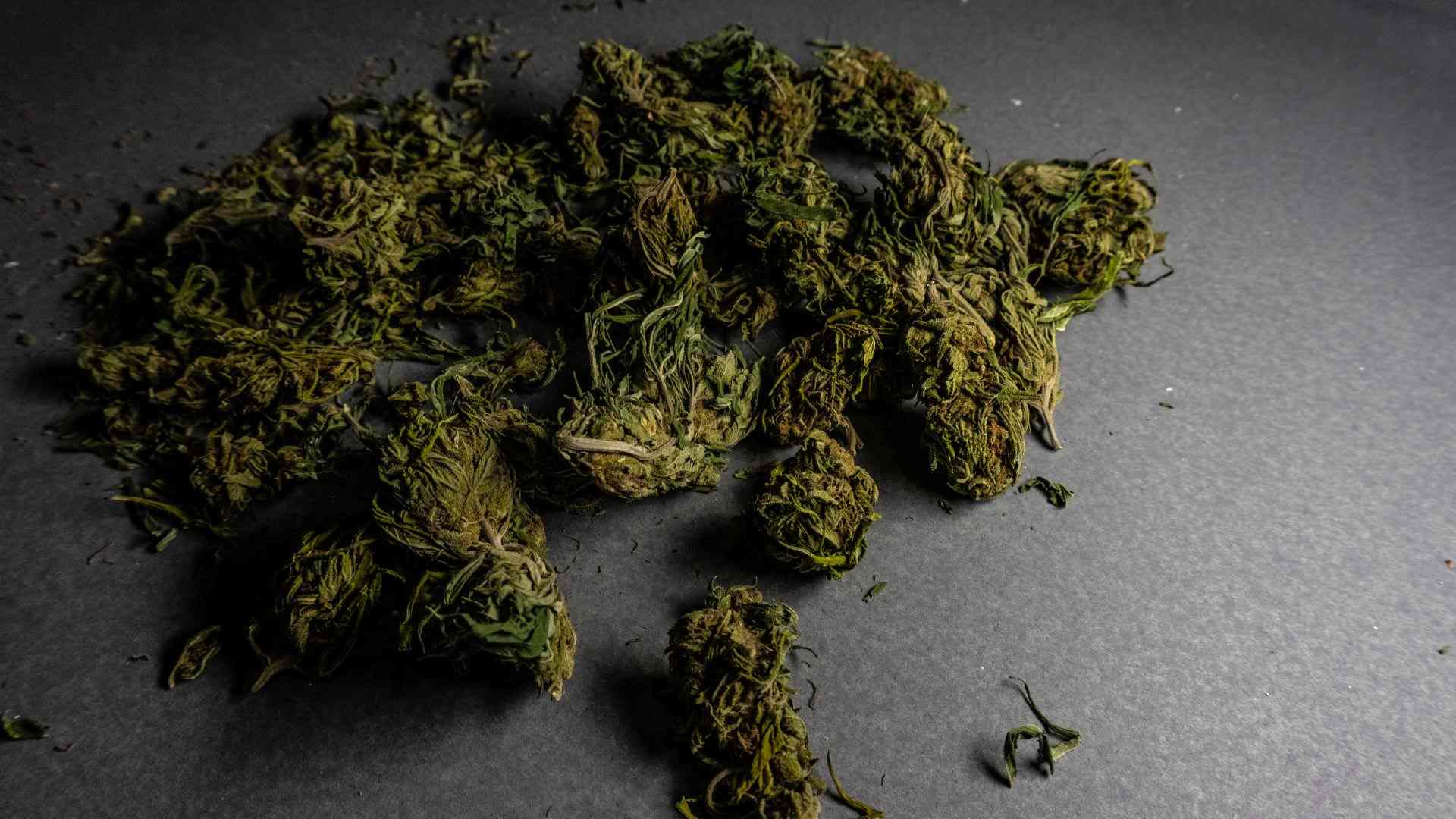
Rampage killings are on the rise, and with every harrowing news story, the world is left asking the same question – why? From university shootings to vehicular assaults, these acts of violence seem senseless. However, broadcaster Peter Hitchens offers a controversial perspective on Drugs and Rampage Killings that’s gaining attention. Speaking on the Alas Vine & Hitchens podcast, he suggested that drugs, such as cannabis, could be a catalyst behind many of these attacks.
Could the increase in drug normalisation really hold the key to addressing these tragic events? Let’s take a closer look at the arguments being made.
Drugs and Rampage Killings
The Western world has witnessed an alarming surge in rampage killings in recent decades. Defined as short, violent outbursts targeting multiple victims, these attacks often strike at soft targets, leaving communities shaken. Hitchens argues that one of the big changes fuelling this is the widespread acceptance and use of mind-altering drugs, particularly cannabis.
Pointing to events in Liverpool where a seemingly drug-affected driver mowed down football fans, Hitchens explained, “It never used to happen. What has fundamentally changed since the 1950s and 60s?” For him, the answer is clear – the increasing prevalence of drug culture.
He further stated, “There is a reluctance to admit any connection between the use of marijuana and insane violence.”
The Role of Drugs in Mental Instability
Drugs like cannabis, Hitchens claims, affect individuals in profound ways, increasing the potential for violent outbursts. He highlighted that rampage killers often have histories involving drugs such as SSRIs, steroids, or marijuana. For instance, studies supporting his stance point to correlations between heavy drug usage and increased aggression or psychosis.
Despite growing scientific evidence, he argues there is societal resistance to making the link between drugs and these violent acts. Reasons range from the powerful influence of drug lobbies to societal enthusiasm for legalisation.
Mixed Evidence on Cannabis and Violence
Metanalyses in the United States have attempted to scrutinise this relationship. While some studies have shown slight links between cannabis use and violent behaviour, others paint a different picture. For example, certain studies suggested that violence decreased in areas where cannabis dispensaries became operational.
However, proponents of Hitchens’ argument believe that these findings don’t address the long-term psychological impacts of heavy usage. “People think that because cannabis isn’t chemically addictive, it isn’t dangerous,” notes podcast co-host Sarah Vine. “But it is highly psychologically addictive – I’ve had friends who went mad trying to quit.”
Comparisons With Other Nations
Hitchens argues that Western societies can learn from nations such as South Korea and Japan, where rampage killings are almost non-existent. Why? These countries enforce strict laws around drug possession, making misuse culturally and legally unacceptable.
“In South Korea, the possession of marijuana is still considered a crime. Public figures caught with it not only go to jail but are also discredited,” he explained. “These societies reject the propaganda that marijuana use is victimless.”
Hitchens believes that such punitive measures could prevent the family-wide tragedies drug misuse often causes. “It is not a victimless crime – the families of individuals who suffer permanent injury due to drugs carry grief for decades.”
Counterarguments on Drug Policy and Rampage Killings
Not everyone agrees that drugs alone are the root of the problem. Sarah Vine, while acknowledging the mental health effects of cannabis, argued that it’s often psychotic individuals who gravitate towards drug use rather than drugs causing the psychosis.
She also highlighted that criminalising soft drugs may unintentionally incentivise the creation of black markets, leading to more potent and harmful substances being sold. It’s a delicate balancing act for policymakers.
Society’s Reluctance to Confront the Issue
At its core, the debate on Drugs and Rampage Killings reflects a larger societal reluctance. Advocates for cannabis legalisation often downplay its potential mental health risks, focusing on economic benefits or medicinal applications. Hitchens urges society to take a more hardlined approach, saying, “The people who promote it should face the shame of ruining lives. It should be punished and prohibited.”
Addressing the issue of Drugs and Rampage Killings demands a broader societal conversation and thorough investigation into the root causes. However, for Hitchens, the starting point is unmistakable: drug legislation must acknowledge and address the significant harm that substances like cannabis can cause.
Hitchens’ views might be provocative for some, but they challenge us all to consider how far drug normalisation could be influencing violence in communities worldwide.
Rampage killings leave devastation in their wake, ripping apart families and communities. While there may be various social and psychological factors at play, drugs like cannabis should not escape scrutiny in the context of Drugs and Rampage Killings.
Source: dbrecoveryresources