The debate around cannabis decriminalisation in the UK has been reignited following the release of the independent London Drugs Commission’s report on UK drug policy. The report, which evaluates the effectiveness of current laws on substances such as cannabis, has sparked significant discussions among policymakers, law enforcement, and public health officials alike.
Central to the debate is the commission’s recommendation to decriminalise the possession of small amounts of cannabis. While this idea may appear progressive to some, many experts, including the Association of Police and Crime Commissioners’ (APCC) joint leads on Addictions and Substance Misuse, PCCs Joy Allen and David Sidwick, remain firmly opposed. Here’s why.
Cannabis Causes Harm to Users and Communities
To understand the arguments against decriminalisation, it’s crucial to first acknowledge the harmful effects of cannabis. The London Drugs Commission itself recognises cannabis as a harmful and addictive substance. Statistics published in recent studies show that one in ten users develop a dependency, with cannabis being the leading drug for which young people in the UK seek addiction treatment, accounting for 87% of cases.
Additionally, extensive research links cannabis consumption to serious mental health problems. Conditions such as psychosis and schizophrenia are particularly prevalent among frequent users, especially in young men. To compound these issues, legalising or decriminalising drugs like cannabis sends an implicit message that some drug use is benign, contradicting evidence to the contrary.
Lessons from New York’s Experience with Cannabis Legalisation
Supporters of cannabis decriminalisation in the UK often argue that changing the law would reduce illegal markets and improve public safety. However, evidence from jurisdictions that have liberalised their drug laws paints a starkly different picture.
New York City legalised personal cannabis use in March 2021, but the results have been anything but promising. Reports reveal widespread confusion among citizens and law enforcement over what is legally permissible. Meanwhile, the city’s illicit market has not disappeared; in fact, many users still turn to illegal dealers due to competitive pricing and stronger product offerings. The expected economic benefits have failed to materialise, and long-term harm, including increasing rates of drug-related deaths, continues to rise.
Walking the streets of New York today, drug deals occur openly, and police intervention is rare unless transactions occur directly in their presence. Similar outcomes could emerge in London if cannabis decriminalisation is implemented, posing significant risks for public health and safety.
The Risks of Cannabis Decriminalisation in the UK
Decriminalising cannabis in the UK carries numerous risks. First and foremost, it is likely to increase usage rates by normalising the substance. Higher consumption inevitably leads to greater health risks and places additional strain on public health services.
Furthermore, decriminalisation will allow criminal supply chains to thrive. Rather than being eradicated, illegal markets will persist, bringing with them violence, anti-social behaviour, and the exploitation of vulnerable individuals, including children. This approach would also leave law enforcement grappling with complexities, such as defining “small amounts” or distinguishing between natural cannabis and synthetic varieties.
Public opinion among UK police reflects these concerns. According to polling by the Centre for Social Justice, two-thirds of officers believe cannabis is effectively decriminalised already, with many arguing that policing the possession of the drug should instead focus on education and support.
The Importance of a Balanced Drug Policy
Rather than decriminalising cannabis, policymakers should be exploring more robust approaches to tackling illegal drugs within the UK. The APCC has long argued for a balanced, evidence-based approach grounded in three key pillars:
Enforcement: Maintain strong deterrents against possession and distribution.
Prevention: Educate people, particularly young individuals, on the harmful effects of cannabis.
Treatment: Increase access to support programmes that can guide users onto a path of rehabilitation and recovery.
This approach has formed the foundation of government policy for years, ensuring a balance between public safety, personal accountability, and effective harm reduction strategies. The focus should remain on referring users to treatment and education programmes rather than resorting to a narrowly punitive model.
Why the UK Shouldn’t Follow New York’s Path
The London Drugs Commission’s push for cannabis decriminalisation risks taking London down the same perilous path as New York. Instead of following this example, the UK should strengthen its existing efforts to combat illegal drug use, maintain law and order, and protect public health.
Our communities deserve safe streets, free from violence and harm inflicted by drug-related crime. Decriminalising cannabis would undermine these priorities, creating confusion and exacerbating challenges already faced by law enforcement and healthcare providers.
The bottom line is clear. The UK should not cave to calls for liberalising cannabis laws, but rather focus on robust, effective solutions to tackle its illegal use.
Source: dbrecoveryresources

California has unveiled its largest-ever operation targeting illegal cannabis in the state. During a carefully coordinated multi-agency sweep, which was spearheaded by the Unified Cannabis Enforcement Task Force, authorities seized £123.5m worth of unlicensed cannabis across the Central Valley. This significant bust has sent shockwaves through the illicit cannabis market, while also reinforcing the state’s unwavering commitment to strengthening the legal industry.
Furthermore, this historic operation highlights the high stakes involved in the ongoing fight against California’s illegal cannabis activity. It also underscores the urgent need for continued enforcement efforts to not only protect the state’s regulated market but also safeguard its environment.
Largest Operation Against Illegal Cannabis
The weeklong enforcement effort, which took place in early May 2025, marked a significant escalation in California’s fight against illegal cannabis operations. More than 200 officers, representing 15 local, state, and federal agencies, collaborated to execute an impressive 71 search warrants across Kern, Kings and Tulare counties, covering a vast area of approximately 4,600 square miles.
This massive undertaking yielded staggering results:
105,700 illicit cannabis plants and 22,057 pounds of processed cannabis were seized.
Uncovered hazardous activity involving banned or highly restricted pesticides at eight locations.
A number of firearms were confiscated, and multiple arrests were made with prosecutions now pending.
The operation sent a strong message to those involved in illegal cultivation. It showcased California’s determination to maintain the integrity of its legal cannabis market, with Governor Gavin Newsom lauding the success of the task force’s efforts.
A Pledge to Protect California’s Cannabis Industry and Environment
Governor Gavin Newsom has continued to champion the cause against California’s illegal cannabis trade. Following this monumental crackdown, Newsom stated:
“Illegal cannabis operations undermine California’s legal market, jeopardise public safety, and devastate sensitive ecosystems. This operation proves we won’t stand by idly while transnational criminal organisations threaten our people, workers, and environment.”
Nicole Elliott, Director of the Department of Cannabis Control (DCC), echoed these sentiments, stressing the importance of fair competition for legal operators. Illegal cultivation negatively impacts genuine businesses, weakens environmental protections, and circumvents laws designed to safeguard communities.
The dangers of such an industry go far beyond economics. Many sites uncovered during the operation employed hazardous pesticides and chemicals, presenting a toxic cocktail for California’s fragile ecosystems and posing serious risks to consumers who unknowingly purchase contaminated products.
The Role of the Unified Cannabis Enforcement Task Force
Since its establishment in 2022, the Unified Cannabis Enforcement Task Force has been pivotal in California’s ongoing efforts to combat illegal cultivation and trade. The task force’s cross-agency collaboration has allowed for decisive actions protecting public safety and the environment while securing the thriving legal cannabis industry.
To date, the task force has achieved several significant milestones:
Executed over 500 warrants, resulting in the seizure of £650m worth of unlicensed cannabis.
Confiscated 190 firearms and recovered over £1m in illegal cash flow.
Dismantled operations spanning 800,000 illegal plants and 220 tons of processed cannabis.
The DCC and the California Department of Fish and Wildlife (CDFW) co-chair the enforcement efforts. The DEA, California National Guard, and local sheriff’s offices also support these operations. Together, these organisations are an impenetrable shield for both communities and businesses intent on following proper regulatory practices.
Charlton H. Bonham, Director of the CDFW, highlighted the collaboration’s significance in protecting the state’s natural beauty. “Our united efforts ensure California’s ecosystems and legal cannabis operations are safeguarded for future generations,” he remarked.
Why Illegal Cannabis Is Still a Threat
California boasts the largest regulated cannabis market in the world, supporting fair wages, public education, and sustainable environmental initiatives. However, the persistence of illegal activity remains a direct threat to this balance.
Illegal cultivation not only jeopardises water supplies by diverting resources but also hurts the state economically by avoiding taxes, estimated to cost the Treasury millions annually. Fair players abiding by California’s stringent cannabis regulations often find themselves squeezed by the downward price pressures stemming from illegal operators.
By holding illicit actors accountable and encouraging consumers to purchase from legal sources, California is working to level the playing field and ensure legal businesses receive the support they deserve.
Looking Ahead
California’s crackdown on illegal cannabis highlights priorities familiar to businesses across sectors. Protecting legitimate players and ensuring safe operations is central to sustaining industries, whether cannabis or any other.
The Unified Cannabis Enforcement Task Force’s strategic and coordinated approach leaves a lasting example of how tackling illicit markets efficiently can yield positive, definitive change.
Their success serves as both a stark warning to criminals and reassurance to law-abiding businesses that California stands firm in its commitment to safeguarding public health, the environment, and ethical enterprise.
Officials remain determined to reinforce the global footprint of the legal cannabis industry, ensuring a future where California continues to stand out as a beacon of innovation, fairness, and responsibility.
Source: ivn
The conversation surrounding cannabis policy in the UK continues to be a contentious topic for lawmakers, health advocates, and the public alike. With Sadiq Khan’s calls for the partial decriminalisation of cannabis possession, the debate around decriminalising cannabis in the UK has reached a new inflection point. While some argue that the current approach to cannabis creates greater societal harm, others strongly advocate for reclassification that treats the drug as a more severe substance.
Cannabis policy in the UK is undeniably polarising, and voices on both sides provide compelling arguments. This article breaks down the key aspects of Khan’s position, the findings of the London Drugs Commission, and the viewpoints of critics to give you a comprehensive understanding of this heated subject.
London Drugs Commission Report Prompts Controversy
Mayor Sadiq Khan’s endorsement of partial decriminalisation stems from a year-long study conducted by the independent London Drugs Commission. The Commission collaborated with academics from University College London and gathered insights from over 200 experts and academics worldwide.
The report suggests that the current approach to criminalising cannabis possession causes more harm to society than the drug itself. Furthermore, the study highlights that policing practices disproportionately target black communities through stop-and-search, leaving what the report describes as “damaging, long-lasting consequences for individuals and society.”
The report stops short of advocating full legalisation. Instead, it recommends ending criminal penalties for the possession of small amounts of natural cannabis for personal use. However, it explicitly excludes synthetic cannabis from these recommendations and maintains that the production and distribution of the drug should remain under police scrutiny.
Lord Falconer KC, who led the commission’s work, said, “It is clear that a fundamental reset is required. Legalisation is not the answer. The criminal justice system needs to focus on dealers, not users, and there needs to be much more education on the risks of cannabis use.”
Arguments Supporting the Call for Change
Supporters of the decriminalisation effort argue that the current classification of cannabis as a Class B drug under the Misuse of Drugs Act is disproportionately harsh relative to the harm posed. For example, stop-and-search practices targeting cannabis possession are often criticised for eroding trust in law enforcement within certain communities.
The commission also mentions potential benefits of policy changes, such as increased tax revenues and decreases in criminalisation rates. However, it emphasizes that governments must tackle public health risks and invest in education to help the public fully understand the negative effects of cannabis.
Sadiq Khan champions the report’s recommendations, stating, “The current sentencing for those caught in possession of natural cannabis cannot be justified given its relative harm and people’s experience of the justice system.”
Opposing Views on Decriminalising Cannabis in the UK
Critics of decriminalisation, however, argue that cannabis poses significant risks to both public health and societal well-being. David Sidwick, one of the leading voices against decriminalisation, suggests that reclassifying cannabis to Class A would better reflect its dangers. Sidwick points to research citing links between cannabis use and mental health problems, birth defects, and other severe health risks.
One of the strongest testimonies against cannabis came from Janie Hamilton, a grieving mother who attributes her son’s long battle with schizophrenia and eventual death to cannabis use. Hamilton advocates for a tougher response, stating, “We watched our son die needlessly, cannabis having stolen his life three times over.”
Additionally, Sidwick has highlighted that gateway drugs like cannabis often lead users toward more harmful substances. He calls for an increased focus on prevention and education to deter usage before it escalates.
The Polarised Future of UK Drug Policy
The diverging stances on cannabis underline the complexity of drug policy in the United Kingdom. Advocates for decriminalisation argue for reforms based on social justice and evidence-driven recommendations, while opponents demand stronger enforcement and awareness of the health dangers associated with the drug. The debate around decriminalising cannabis in the UK continues to fuel discussions on the best path forward.
The Home Office remains firm on its position that cannabis will not be reclassified. A spokesperson stated, “We have no intention of reclassifying cannabis from a Class B substance under the Misuse of Drugs Act.”
Source: dbrecoveryresources

The Trump administration’s drug policy outlines an ambitious strategy to tackle the national drug crisis, which it describes as a significant public health and national security threat. With the opioid epidemic reaching what it terms “epidemic proportions,” the focus is on combating illicit fentanyl, multi-drug challenges, and complex addiction issues. Released by the Office of National Drug Control Policy, this blueprint reflects a determined effort to address the crisis through a balance of punitive measures, international collaborations, and innovative solutions.
Examining the National Drug Crisis
The administration has characterised the crisis as a “scourge” on American society, responsible for thousands of deaths annually. At the heart of its concerns is the opioid epidemic, with illicit fentanyl being the primary driver. However, other substances, including methamphetamines, cocaine, heroin, and synthetic adulterants like xylazine, are also part of a wider, multi-layered issue. This complex reality underscores the need for a comprehensive and multi-faceted approach.
Immediate Steps Taken to Combat the Crisis
The Trump administration has already enacted a series of executive orders aimed at disrupting drug trafficking organisations (DTOs). Critical actions include:
- Designating eight international cartels as Foreign Terrorist Organisations (FTOs).
- Introducing new authorities to target suppliers, distributors, and financiers.
- Using economic pressure to demand reforms from countries supplying illicit drugs or precursor chemicals.
These decisive measures showcase the administration’s commitment to stemming the flow of illicit substances at their source and ensuring accountability across international borders.
A Strategic Approach to Supply Chains and Border Security
Targeting Global Supply Chains
Highlighted within the policy is a strong emphasis on tackling global supply chains that facilitate drug trafficking. Plans include partnering with nations producing precursor chemicals, holding non-compliant countries accountable, and leveraging economic tools to enforce compliance. Intelligence and cooperation on an international scale remain centrepieces of this strategy.
Strengthening Border Security
DTOs and FTOs exploit vulnerabilities in border security to smuggle drugs into the United States. The proposed measures involve:
- Deploying advanced technologies and increased resources at borders.
- Enhancing punitive measures through legal and economic tools.
- Coordinating efforts across federal, state, and local levels.
Through these steps, the administration aims to curb the movement of illicit substances before they reach communities.
Key Policy Priorities of the Trump Administration Drug Policy
Reducing Overdose Fatalities
Confronting the staggering number of overdose deaths is a top priority. Fentanyl, a potent synthetic opioid, is at the forefront of this battle. Proposed steps include:
- Making life-saving naloxone widely available.
- Facilitating access to emergency medical services.
- Imposing the harshest penalties on individuals responsible for fatal overdoses.
Securing the Global Supply Chain
Acknowledging that this is a global issue, the administration seeks to engage in multilateral partnerships with source countries, share intelligence with the private sector, and ensure all transport modes, including air, sea, and land, are safeguarded.
Protecting Borders and Communities
Protecting communities involves more than stopping substances at the border. It extends to dismantling criminal organisations operating within the country. Task forces such as the Homeland Security Task Forces (HSTFs) are cited as vital “force-multipliers” in this effort.
Preventing Youth Drug Use
The policy document underscores prevention among youth, detailing community-centred and school-based strategies. Programmes include multimedia campaigns to educate young Americans about:
- The dangers of illicit drug use.
- The availability of treatment and recovery services.
- Tools to foster resilience and prevent initiation.
Expanding Treatment Options
Treatment and recovery are also central to the strategy. Plans focus on integrating mental health and clinical services, supporting recovery communities, and increasing access to medications for opioid use disorder (MOUD).
Encouraging Research and Innovation
Innovation plays a crucial role in achieving these goals. Techniques involving artificial intelligence (AI) and machine learning (ML) support trend-monitoring and data-driven decision-making. Partnerships between the public and private sectors will aid in rapidly responding to emerging threats.
Coordinating and Monitoring Efforts for Success
The Trump administration’s drug strategy highlights the need for coordinated efforts between stakeholders, including law enforcement, healthcare providers, community organisations, and individual citizens. Key measures include:
- Formal mechanisms for performance monitoring.
- Continuous evolution of policies to address changing threats.
- Expanded intelligence-sharing between domestic and international authorities.
The Role of Technology and Public Health Integration
A significant focus is placed on adopting sophisticated technology such as AI to improve data collection, analysis, and border detection systems. Public health is integrated into the broader strategy through campaigns, training, and ensuring access to life-saving resources like naloxone.
A Balanced and Comprehensive Philosophy
The Trump administration drug policy reflects a nuanced understanding of drug addiction by combining:
- Punitive actions such as prosecution and targeted sanctions.
- Public health initiatives for prevention, education, and recovery.
- International cooperation to prevent the production and trafficking of illicit substances.
- State-of-the-art technology for better implementation and accountability.
This multifaceted strategy positions the policy as both a compassionate and firm response to an ongoing national emergency. Learn More
Texas lawmakers take decisive action against unregulated cannabis products that exploited hemp legislation loopholes. Texas legislators have successfully passed Senate Bill 3, implementing the Texas cannabis product ban. This ban targets a wide range of unregulated cannabis products that have flooded the state through legal loopholes in hemp legislation. The Texas cannabis product ban addresses what officials describe as a public health crisis that has particularly targeted young people and resulted in serious health consequences, including deaths.
The Scope of the Problem
Over the past three years, approximately 8,000 shops have opened across Texas selling products containing Delta-8 and Delta-10 THC compounds. Sellers have marketed these products with colorful packaging and candy-like appearances, selling them largely without permits and often within 1,000 to 2,000 feet of schools.
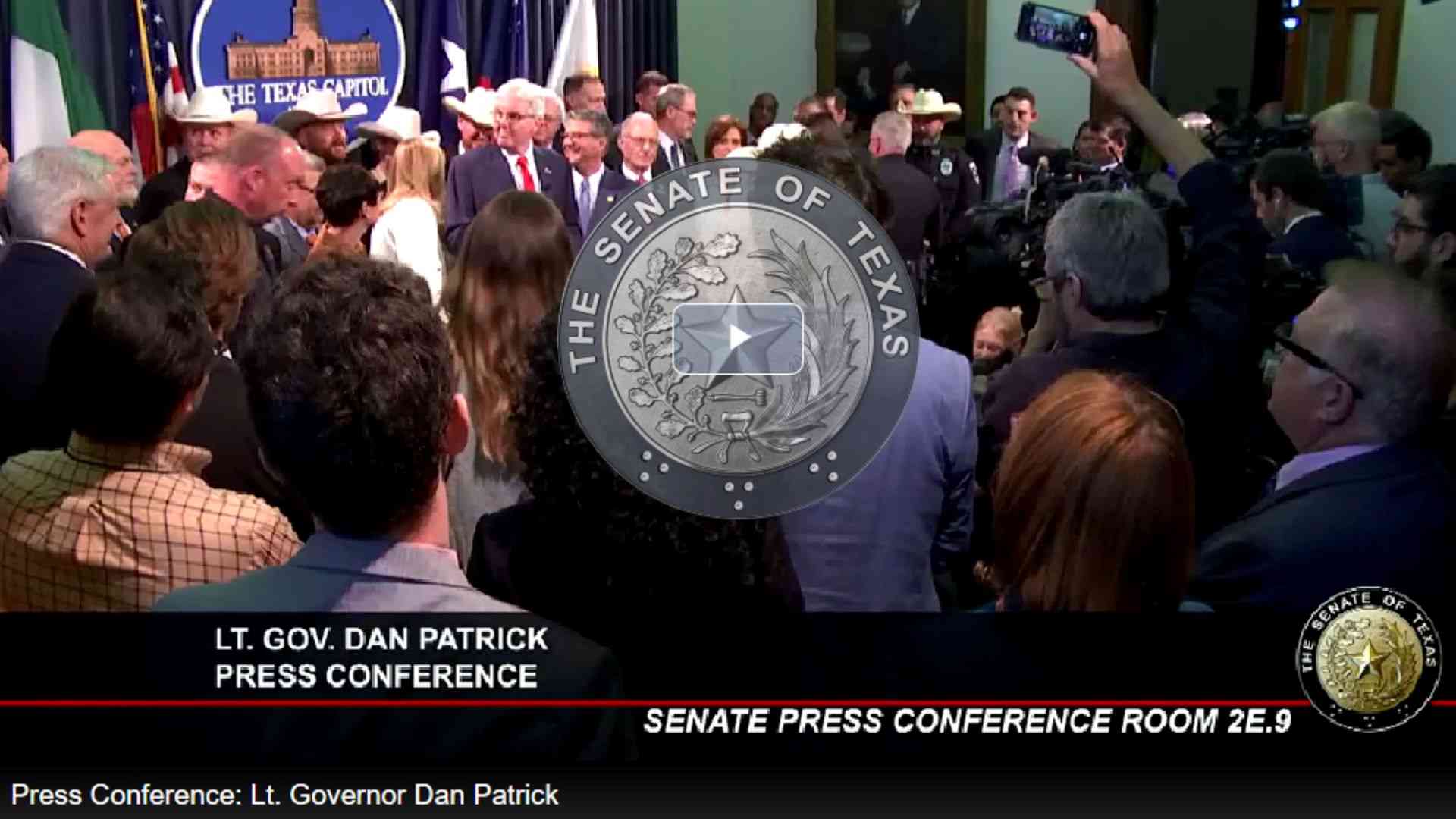
“You talk about jobs being lost. You talk about a big industry, a big industry selling all of this to kids,” said Lieutenant Governor Dan Patrick, displaying various products during the press conference. “This bag sells for $40, big profit items.”
The products range from gummy candies to chocolate bars, with some containing extremely high THC concentrations. One example cited contained 16,000 milligrams of THC, while individual packages can sell for $40 to $90, making them highly profitable for retailers. Patrick noted one particular product: “This little bag of jellies, mango peach, $90 for a bag. Send you sky high.”
Unknown and Dangerous Contents
A critical concern highlighted by lawmakers is the complete lack of transparency in these products’ contents. Labels are frequently misleading or entirely inaccurate—one product labeled as containing 300 milligrams actually contained potentially 1,200 milligrams when properly calculated.
“I’d be happy to share it with you, but I don’t know what’s in it because no one knows what’s in it. It can poison you, not just children, but adults,” emphasized Lieutenant Governor Dan Patrick during a press conference announcing the ban. He challenged attendees directly: “Would you buy anything off the shelf that you didn’t know what was in it that could change your whole mental state for the rest of your life?”
Patrick continued, highlighting the labeling issues: “The milligrams, if you look at this one says 300 milligrams, but if you add up what it really says, it could be 1200 milligrams. Nobody. This is all phony junk.”
Tragic Consequences
The legislation was motivated by documented cases of severe harm, including the death of a 22-year-old who consumed a product called “wedding cake” and subsequently stepped in front of a train. Officials describe testimonies of users experiencing paranoia, schizophrenia, and other serious mental health issues.
“We had horrendous testimony of one 22 year old who bought this. I don’t know what product it was. I think she said wedding cake. He stepped in front of a train and got run over, killed,” Patrick recounted.
Chief Jeff Burt of Tomball Police, representing the Texas Police Chiefs Association, drew parallels to California’s experience with unregulated cannabis products, warning that Texas was heading down a similar path of “unregulated havoc.”
Exploitation of Hemp Legislation
Loopholes in the 2019 hemp legislation, originally intended to develop an agricultural industry for fiber, construction materials, and wood substitutes, created the crisis. Senator Charles Perry, who championed the ban, explained that bad actors exploited these loopholes to create a drug distribution network.
“In essence, the loopholes for Delta 8 and Delta 10 that were created around the natural health hemp of Delta 9, they have come into this state and used our state to be a drug dealer,” Perry stated. “And we will not let the state of Texas be in the drug business of making these products available on the shelves.”
Perry noted that despite warnings as early as 2019 about potential misuse, it took several legislative sessions and documented harm to build sufficient support for the ban. “In 19, we had an opportunity to develop an ag industry that would provide a product that served a real need in the way of fiber, construction, substitute for wood and lumber. And I warned at that point in 19 that if this stuff was to happen, we would get rid of it,” he explained. “It took about four years, unfortunately, and lives lost and lives ruined to get it to the level and awareness that I was able to be able to bring it to that level for the legislature to fully understand.”
Protecting Legitimate Hemp Industry
Lawmakers emphasized that the ban specifically targets intoxicating products while preserving legitimate agricultural hemp operations. Farmers in Texas actually produced only 184 acres of hemp for testing in 2024 out of 1.25 million available acres, indicating minimal impact on legitimate agricultural interests.
“Here’s the facts that nobody wants to talk about,” Perry said, addressing concerns about harming agriculture. “There was 184 acres, I believe, of hemp produced in text tested in Texas in 2024. Over 1.2 125 million acres available. So when we say we killed the hemp industry for the ag business, first of all, we didn’t touch the ag code.”
He continued: “If you’re under compliance with the federal ag law, and you’re doing stuff for fiber and stock and production for those other products that we hope to do, you didn’t get affected by this. But if you’re doing hemp that ultimately ended up as a delta eight or a delta 10 are hot, going forward, you’re out of business. And you should be.”
Law Enforcement Challenges
Police Chief Burt called the situation “the most insidious kind of drug deal” because sellers openly place these products in gas stations alongside legitimate snacks, which makes enforcement extremely difficult. The inability to cost-effectively test these products has created additional challenges for law enforcement.
“This right in front of you is a drug deal. That’s all it is,” Burt said, referring to the products displayed during the press conference. “And it’s the most insidious kind of drug deal because it isn’t somebody that sneaks off when a police officer sees him or her and runs into a runs into an apartment and we go, we go chasing. They’re selling this in gas stations right next to Snickers and Cheetos.”
Chief Burt, drawing from his 24 years of experience including time with LAPD narcotics units, warned about the parallels to California’s experience: “I lived in Los Angeles. I served with the LAPD, worked in several narcotics units, and witnessed the legalization of marijuana, followed by the influx of hemp products, gummies, edibles, and other items, which created unregulated havoc and left the state still grappling with its repercussionAnd in Texas, we are better than that.”
Texas Bans Harmful Products, Highlighting Bipartisan Action
The ban will take effect in September, making all displayed products illegal. Officials closed these dangerous loopholes with relief but also felt saddened that losing and damaging lives prompted them to act.
“We have protected people going forward that will never know what we did for them,” Perry reflected, acknowledging that many Texans will never realize they were protected from products they had “no idea what they were going to be doing” to their health. He added, “I’m sad we’re here for a lot of reasons. But I’m encouraged going forward, that this stuff’s gone.”
The bipartisan support for the legislation—described by Perry as reflecting “a conscience of 181 members”—demonstrates the severity of the crisis and the commitment to protecting public health over industry profits. As Perry concluded: “The vote to ban stuff that arguably nobody can argue against is harmful. It reflects a conscience of 181 members, the majority bipartisan in both chambers, that there is a limit.”
Source: Texas Senate Video: Press Conference: Lt. Governor Dan Patrick

The legalisation of recreational cannabis in Washington State represents a significant shift in drug policy, with far-reaching consequences for public health, social dynamics, and policy frameworks. Following the voters’ decision in November 2012 and the subsequent opening of cannabis retail stores in July 2014, researchers have dived deep into measuring the outcomes of this historic move. This article takes a closer look at the cannabis effects in Washington and how retail availability plays a pivotal role in shaping health and societal outcomes.
Cannabis Legalisation in Washington
Legalisation of recreational cannabis signalled not just a policy reform but also a new cultural and economic reality for Washington residents. Backed by a stringent regulatory framework and funding for comprehensive research, the landscape of cannabis consumption and its impact began to emerge in new clarity.
From 2014 to 2016 alone, the prevalence of cannabis use increased markedly, from 25.0% to 31.7% among adults. Intriguingly, adults aged 50 and older represented a significant portion of this increase. While cannabis legalisation aimed to introduce regulation and safety, the effects of increased consumption raise complex questions about its broader implications.
Cannabis Retail Stores and Economic Disparities
One of the less immediately visible outcomes of cannabis legalization, however, was the noticeable clustering of retail stores in economically disadvantaged areas. Moreover, research has highlighted that proximity to cannabis retail outlets is closely linked to more frequent use, thereby sparking concerns about access inequality.
In addition, socially disadvantaged neighborhoods often experience higher exposure to products associated with potential harm and addiction. Consequently, this creates a new layer of challenges in achieving equitable outcomes. Therefore, these findings underscore the pressing need for thoughtful and comprehensive policy approaches to guard against such unintended consequences.
Secondhand Harms and Their Social Impact
Cannabis legalisation’s ripple effects extended beyond individual users. Research revealed that approximately 8.4% of individuals in Washington reported secondhand harms due to others’ cannabis use. These harms ranged from strained family relationships and financial issues to incidents of harassment, assault, and impaired driving.
While cannabis’ risks when consumed directly are often discussed, these communal impacts demand greater public attention. They highlight important considerations for balancing individual freedoms with collective wellbeing.
Co-Use of Cannabis and Alcohol
The risks associated with the simultaneous use of cannabis and alcohol emerged as an essential area of study. While co-using appeared relatively common among users, it came with heightened risks, including increased instances of cannabis-related harms.
This interplay between substances underscores the need for businesses and communities to invest in educating users about such combinations’ added risks. Clear labelling and public awareness campaigns are vital for minimising harm.
Public Health Implications of Retail Store Density
A surprising finding from the research was the connection between higher cannabis store density and some unexpected public health outcomes. Data suggested lower rates of accidental and opioid poisoning mortalities in areas with greater cannabis retail availability. This aligns with emerging theories that cannabis may act as a substitute for opioid usage.
However, further investigation is needed to fully understand these dynamics, particularly given the lack of significant links between retail availability and indicators like motor vehicle accidents, homicide, or suicide rates.
Equitable Policies for the Future
The study’s results make one thing clear: cannabis legalisation in Washington has produced a mix of advantages and challenges that require ongoing monitoring and refinement. Equitable cannabis policies that shield vulnerable groups, regulate retail density, and educate the public are key to minimising harm while maximising potential benefits.
The findings also open the door for broader conversations about how to regulate cannabis responsibly, ensuring it serves its intended purposes without creating new societal harms. Continuous attention to co-use challenges, secondhand risks, and geographical disparities can guide effective future policies.
Source: Phi
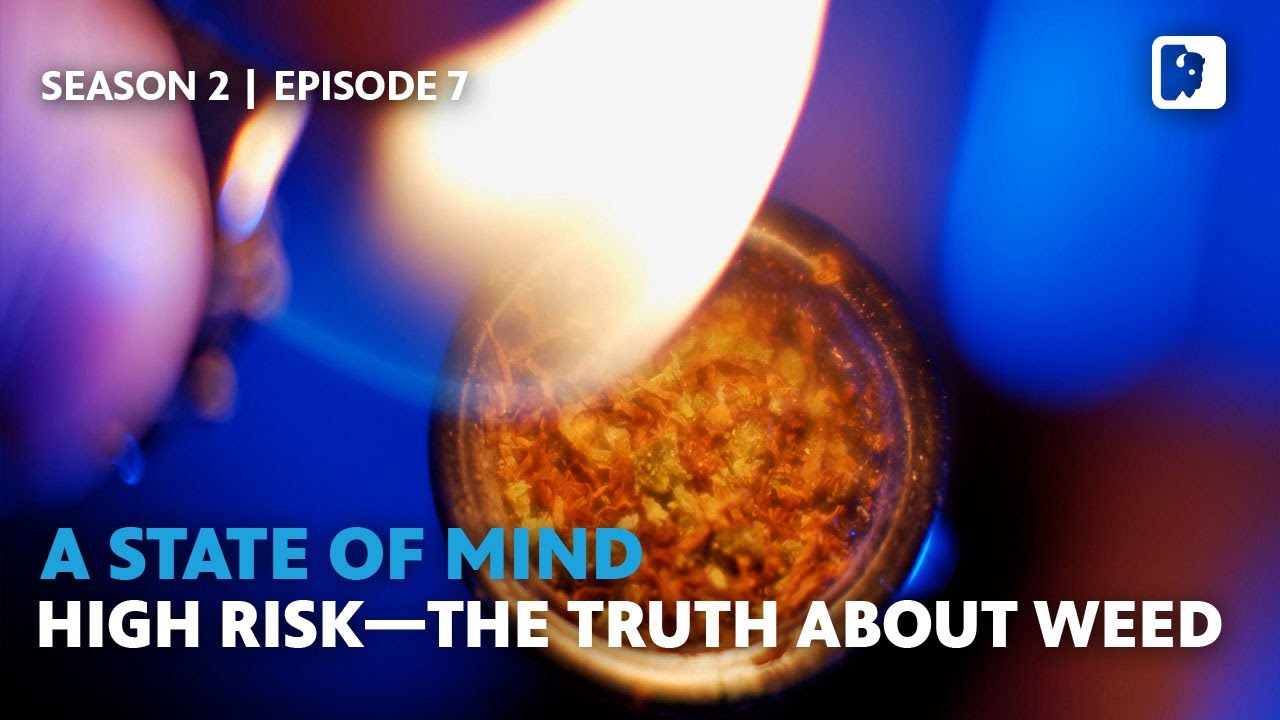
Marijuana is often portrayed as harmless, with countless individuals and media outlets emphasising its perceived benefits. However, the PBS documentary: Experts are sounding the alarm about the dark side of cannabis sheds light on an alarming concern overshadowed by the growing cannabis industry. This investigative feature explores the devastating impact of high-potency marijuana on mental health, particularly in young adults, and its link to cannabis-induced psychosis.
Through real-life stories and expert research, the documentary reveals how today’s marijuana—with THC concentrations reaching up to 100% in some products—is a far cry from the mild, recreational substance of decades past. Join us as we uncover the dangers of high-potency marijuana and the tragic consequences experienced by those featured in HIGH RISK.
Johnny Stack’s Story A Tragedy of Cannabis-Induced Psychosis
The documentary opens with the heartbreaking story of Johnny Stack, a once-aspiring, academically gifted teenager who spiralled into despair after falling victim to cannabis-induced psychosis. Johnny, who achieved a perfect SAT maths score, began using marijuana at the age of 14 during a high school party. Over time, he progressed from occasional use to consuming extremely potent THC products.
At the age of 18, Johnny obtained a medical marijuana card under dubious circumstances, as he had no chronic conditions or disorders. This escalation marked the beginning of a sharp decline in his mental health. “It was like an alien came and took my child,” recalled Laura Stack, Johnny’s mother. She described the harrowing transformation in her son’s personality, moving from kind-hearted to toxic and aggressive.
Despite multiple hospitalisations for cannabis-induced psychosis, Johnny repeatedly relapsed, convinced that his brain had healed. Tragically, his final psychotic episode involved extreme paranoia about the Russian mob and FBI surveillance, leading him to take his own life by jumping from a six-storey car park. He left his mother with these haunting final words, “Marijuana has ruined my mind and my life, and I’m sorry, Mama, I love you.”
Grace Davis Offers a Peer Perspective
Grace Davis, Johnny’s university friend, provides another perspective on the prevalence of marijuana use among young adults. She speaks candidly about the normalisation of cannabis use on college campuses, the ease of access through social media, and her personal struggles with addiction.
Grace shared how Johnny’s high tolerance for potent cannabis products contributed to his psychosis. She witnessed his paranoia firsthand, including beliefs that the “Russian mob was coming to get him” and that “the FBI was tracking his phone.” Despite her warnings to Johnny, she herself fell into daily use, leading to lasting paranoia even after two years of sobriety. “I know it wouldn’t have been this bad without marijuana,” Grace admits.
Bryn Spejcher’s Harrowing Experience
The documentary also focuses on Bryn, a Californian audiologist whose life took a tragic turn after experiencing cannabis-induced psychosis. After taking just two hits from a high-potency bong, Bryn fell into a psychotic episode marked by intense hallucinations and violent behaviour. This resulted in the tragic death of her friend Chad, whom she stabbed 108 times. Bryn’s case challenges the misconception that cannabis-induced psychosis only affects regular or heavy users.
Marijuana’s Escalating Potency
One of the most shocking revelations in the documentary is the dramatic rise in the potency of marijuana in recent decades. THC levels have surged from less than 3% in the 1980s to nearly 100% in modern concentrates like dabs, waxes, and shatter. Experts explain how these ultra-potent products are linked to severe mental health consequences, particularly in adolescents and young adults.
Dr. Sam Wang, a paediatric emergency doctor, emphasises the extraordinary risks for developing brains. The prefrontal cortex, which governs critical decision-making and emotional regulation, is highly susceptible to damage from THC. Dr. Wang warns, “Nearly 50% of individuals with cannabis-induced psychosis may go on to develop schizophrenia or bipolar disorder.”
Colorado Lessons in Legal Marijuana
The documentary uses Colorado, the first state to legalise recreational marijuana, as a case study. While the move was initially celebrated for generating significant tax revenue, unforeseen public health challenges quickly emerged. For example, cannabis-related emergency room visits became daily occurrences, with cases of “cannabis hyperemesis syndrome” (extreme nausea and abdominal pain) becoming alarmingly common.
Efforts to address these issues culminated in Colorado House Bill 1317, which introduced mandatory warning labels about mental health risks, restricted medical marijuana cards for young people aged 18–20, and allocated funding for public health research. Although initial proposals to cap THC levels faced resistance from the marijuana industry, these regulatory measures marked a significant step forward.
The Shadow of Synthetic Cannabinoids
Adding to the complexity, synthetic cannabinoids like Delta-8 and Delta-9 present another layer of danger. These substances often bypass state-level restrictions, leading to more widespread accessibility and severe mental health outcomes. Lawmakers and healthcare providers express frustration over the regulatory challenges, with Wyoming officials describing the mental health crisis and soaring suicide rates linked to Delta-8 products.
Advocacy and Education Efforts
Following Johnny’s tragic death, his mother Laura founded Johnny’s Ambassadors, a nonprofit organisation dedicated to raising awareness about the dangers of high-potency marijuana. She now speaks at schools, warning that cannabis is a contributing factor in adolescent suicides. Laura implores parents, “Education and regulation are essential to prevent further tragedies like Johnny’s.”
The documentary closes with Grace’s heartfelt letter to Johnny, encapsulating the devastating personal loss caused by cannabis-induced psychosis. She writes, “Your love could swell my mind whole… but then you died, and so did I.”
Shedding Light on High Potency Marijuana Dangers
HIGH RISK highlights an undeniable truth that challenges the narrative of marijuana as a harmless drug. The rise of high-potency THC products demands greater public awareness and stricter regulations. By documenting real-life tragedies, backed by scientific research, the documentary underscores the severe mental health risks posed to young adults.
Johnny Stack’s story, Grace’s testimony, and Bryn’s loss serve as poignant reminders of the human cost of ignoring these warnings.
Source

The subject of teen cannabis use in Canada has sparked significant debate following a recent study showing a substantial rise in use, particularly after the legalisation of cannabis edibles in 2019. According to research published in JAMA Network Open, the use of cannabis among Canadian teens increased by 26% in the provinces where edibles became legally available, and edible-specific use surged by 43%. This raises important questions about the unintended social effects of freer cannabis access.
What is Driving Teen Cannabis Use in Canada?
Canada legalised dried cannabis use in October 2018, followed by the legalisation of cannabis edibles and extracts a year later in all provinces except Quebec. While federal laws prohibit the sale of cannabis to those under 18, the increased availability of edibles seems to have influenced teen attitudes and accessibility.
Cannabis edibles come in forms that are particularly appealing to young people, such as chocolates, gummies, and sodas. These products, while regulated with child-resistant packaging and labelling by law, face competition from unregulated and illicit products. These unauthorised products are often designed to look like familiar snacks, making them harder to distinguish and potentially more accessible to teens.
A Closer Look at the Data
The study analysed surveys from over 106,000 students aged 12 to 17 years old. Alarmingly, it noted that cannabis use spiked in provinces that legalised edibles but remained stable in Quebec, where these products are still banned. These figures suggest a clear connection between legalisation and an uptick in teen usage. Dr Hai Nguyen, a senior author of the study, explains that these findings are critical given the well-documented risks of early and consistent cannabis use.
Potential Health Risks Linked to Teen Cannabis Use
Adolescence is a key period of brain development. Introducing cannabis during this phase can lead to both short-term cognitive impairments and long-term dependency risks. Neuroscientist Joshua Gowin further highlights cannabis’s potential effects on the brain, impacting functions such as attention, memory, and decision-making. Regular usage during adolescence has also been linked to an increased risk of developing mental health issues like anxiety, depression, and even schizophrenia later in life.
Additionally, the study finds that alongside increased cannabis use, combined usage of cannabis and alcohol also rose by 28%. Mixing these substances poses significant risks as it often intensifies their effects, leading to higher consumption levels and greater health hazards.
Legalisation and Changing Perceptions
One of the most concerning findings from this research is the changing perception among teens about the risks associated with occasional cannabis use. Legalisation appears to create a sense of normalisation that diminishes the perceived harm of cannabis consumption. This “normalisation effect” makes it even more important to critically assess how laws influencing accessibility shape youth attitudes.
Developing Policies that Protect Youth
Striking a balance between adult access and teen protection is essential in managing the broader impacts of cannabis legalisation. Here are potential strategies based on expert recommendations:
Tighter Regulations
Ensuring that cannabis edibles come in plain, clear, and regulated packaging is crucial. Additional measures to prevent the sale of illicit cannabis products that mimic everyday snacks should also be enforced, with legislation focusing on online platforms where teens could gain access.
Education Campaigns
Public awareness campaigns focusing on the risks of cannabis use for adolescents are another key prevention strategy. Schools, communities, and families can collectively contribute by fostering knowledge, teaching the long-term impact of these substances on mental and physical health, and addressing misconceptions.
Keeping Distribution Away from Youth
Another solution is enforcing regulations that require cannabis retailers to be located at an appropriate distance from schools, parks, and recreational facilities. This measure would limit physical accessibility, especially for younger teens.
Effective Family Communication
Families play a critical role in guiding teens. Open and honest dialogues can help bridge the gap between misunderstood perceptions and facts. Parent-child communication books and guides about cannabis use can support these conversations, enabling informed decisions at home.
Looking Beyond the Data
The discussion around teen cannabis use in Canada often highlights the complexities of legalisation’s impact. Critics of cannabis legalisation laws frequently cite studies as cautionary tales, emphasizing the potential developmental risks of increased access. However, as Joshua Gowin notes, establishing direct causation between legalisation and increased use is challenging. Cultural attitudes toward cannabis may shift before or even drive legislative changes.
Further research is essential to understand evolving trends, particularly the long-term effects of legalisation on teen cannabis use. This includes examining usage patterns across age groups and identifying effective strategies to mitigate risks associated with cannabis consumption among youth.

What does the future hold for drug addiction in the EU? It’s a question that influences policy, healthcare strategies, and societal well-being. To grasp the possibilities of this uncertain future, the European Union Drugs Agency (EUDA) developed a strategic foresight initiative in the form of three alternative scenarios for drugs and addiction in 2040. These scenarios were created to help policymakers understand, prepare for, and potentially shape the evolving landscape of addiction. With the potential for both dramatic progress and significant challenges, this framework offers a compelling glimpse into possible outcomes for the EU.
What is a Scenario Framework and Why Does it Matter?
Rather than predicting one exact outcome, a scenario framework maps out alternate developments to improve preparedness and decision-making. By exploring various potential futures, organisations like EUDA can be better equipped to achieve desirable outcomes while navigating away from detrimental pathways. Scenarios emphasise that the future can be shaped by today’s actions. For the EUDA, this forward-looking approach is critical in addressing one of Europe’s most persistent challenges: drug addiction.
Since 2019, the EUDA has actively worked to enhance its foresight capabilities. This has involved scanning global trends, hosting workshops, and piloting progressive scenarios to explore potential changes in drug trends, policies, and practices. What emerges is a tool to make the EU more adaptable and resilient in the face of complex challenges.
Drug Addiction EU 2040 Scenarios
The EUDA introduces three distinct scenarios for drugs and addiction by 2040. These futures paint contrasting pictures, from an optimistic vision of harmony to a stark warning of instability.
Scenario 1 – EU Harmony
Imagine a Europe where prosperity and collaboration reduce societal divide. EU Harmony represents a future where social inequality in the EU is lower than it has been in recent history. Addiction rates are at a historic low, and drugs cause far less harm than they do today.
Key Highlights:
Global Stability: Democracies flourish, fuelled by lessons from the COVID-19 pandemic which improved global cooperation.
Digital Integration: By 2035, the EU completes a digital leap, ensuring broader online connectivity.
Reduction in Crime: Strong governance weakens criminal networks, reducing drug trafficking and associated violence.
Improved Healthcare: Equal access to treatment eases healthcare burdens, ensuring widespread support.
Collaborative Drug Policy: Carefully controlled legalisation of selected substances, co-created with civil society, diminishes the black market.
This scenario demonstrates how progressive social policies and cooperation can create a healthier, safer EU. Lower drug addiction translates directly to fewer societal harms and improved quality of life.
Scenario 2 – Barely Managing
At a midpoint in this envisioned future is Barely Managing. The EU survives, but mounting pressures make social and political divides wider than ever, leaving it vulnerable to challenges.
Key Highlights:
Health Disparities: Access to treatment depends on income or geography rather than need, leading to inequality.
Overburdened Healthcare: Healthcare professionals adopt a “could be worse” mindset, coping with overwhelming demand.
Rising Drug Use: Drug misuse shows no sign of slowing, tied to complex addictive behaviours.
Treatment Gaps: One-size-fits-all approaches fail to address individual needs, leading to inconsistent outcomes.
Though the EU holds together, the lack of sufficient structural reforms creates significant obstacles. Drug addiction EU-related trends worsen, leaving policymakers and medical providers scrambling for effective solutions.
Scenario 3 – House of Cards
The most extreme of the three, House of Cards, portrays a volatile EU caught up in societal breakdown, enabling widespread addiction and lawlessness.
Key Highlights:
Technological Misuse: Cheap 3D-printed drugs and easily accessible chemical recipes exacerbate unsafe drug manufacturing.
Pervasive Crime: Drug use fuels violence, with addicts engaging in illegal activities to sustain habits.
Global Turmoil: Some nations encourage destabilisation through the proliferation of harmful substances.
Widespread Addiction: Drug addiction becomes ubiquitous, cutting across all societal strata.
This scenario warns of the dangers of inaction. Poor governance, inequality, and lack of collaboration would allow drugs to destabilise communities further.
How the EU Can Shape a Positive Future for Drug Addiction
These scenarios act as more than predictions; they’re a tool to influence change. By addressing current societal issues and leveraging strategies that promote health equity, innovation, and collaboration, the EU could advance toward the “EU Harmony” vision.
Tools for Fighting Drug Addiction in the EU – A Methodological View
Creating these scenarios involved robust research and collaboration:
Over 120 participants, including policymakers and EUDA staff, contributed their expertise through futures workshops.
Factors such as shifting healthcare needs, rapid technological advancements, geopolitical tensions, and environmental degradation were analysed to predict their impact on drugs and addiction.
The VUCA framework was applied, emphasising rapid and unpredictable changes demanding flexible responses.
Key factors identified include:
Demographic shifts affecting population health.
Accelerating advancements in AI for drug manufacturing and detection.
Climate change exacerbating instability.
The impact of geopolitical shifts on international drug policy cooperation.
A Roadmap to Resilience
The EU’s ability to create strong institutions and policies will determine which scenario becomes reality. By investing in innovation, equitable healthcare systems, and effective governance, the scale of drug addiction EU-wide can be significantly reduced by 2040.
Turning Possibilities into Action
The future of drugs and addiction in the EU isn’t set in stone. The choices made today will decide the outcomes of tomorrow. Which road will the EU take? One of collaboration, health, and stability? Or one where addiction and inequality overwhelm society?
Preparing for such futures remains an essential task, one that the EUDA’s efforts underscore. Proactive policies, technological advances, and societal cooperation can ensure a better, healthier Europe for all.