Marijuana’s impact in Colorado continues to raise pressing concerns, especially as its use becomes more widespread since legalization. From public health risks to alarming teen statistics, the challenges tied to marijuana use are no laughing matter.
Last Sunday, at Denver’s Civic Centre Park, a notable figure from the past emerged at the Mile High 420 Festival. Tommy Chong, famously known for his “stoner” persona, addressed crowds on marijuana use. However, his words stood in stark contrast to the growing body of evidence suggesting marijuana’s harmful consequences in Colorado.
This blog takes a deeper look into the risks linked to marijuana consumption and its ripple effect across the state.
Widespread Problems Linked to Marijuana in Colorado
Studies show that marijuana is no longer the mild substance associated with the past. Its potency, much higher today than decades ago, is causing immediate and long-lasting harm. From a rise in THC-related psychosis in Colorado’s youth to alarming suicide data among teens, marijuana’s impact is impossible to ignore.
Recent data from the Colorado Department of Health and Environment’s Violent Death Reporting System reveals devastation among young lives:
43% of Colorado teens aged 15–19 who died by suicide had THC in their systems.
Hispanic teens in this age group faced even worse rates at 49%.
Alarmingly, this figure climbs to 67% for Black teens.
Given such sobering statistics, it’s clear that Colorado is grappling with an epidemic exacerbated by marijuana’s widespread availability.
Alarming Findings Highlighted in Investigations
Recent investigations into marijuana in Colorado have painted an even grimmer picture. When The New York Times covered the explosion in cannabis use and its increasing intensity, they noted serious health implications, particularly among frequent users. Accumulating harm, according to The Times, has outpaced public health messaging and state-level monitoring.
Simultaneously, a separate investigation by The Denver Gazette revealed regulatory loopholes in Colorado’s cannabis industry. Consumers, it found, are largely in the dark about:
Unregulated THC potency in retail products
Potential contaminations, including mould, solvents, and pesticides
These findings signal a need for stricter oversight of marijuana sales.
Teen Impact and Failed Legislation
Colorado’s youth bear the brunt of marijuana-related issues. Yet, recent efforts to introduce tighter restrictions on sales—including measures aimed at keeping marijuana out of the hands of teenagers—were blocked in the Colorado legislature. This is despite clear evidence linking marijuana accessibility to several public health crises.
Shockingly, lawmakers are now even considering loosening regulations further. One pending proposal would allow for greater quantities of marijuana to be sold in single transactions, undermining any effort to manage the drug responsibly.
The message this sends to Colorado’s residents is deeply concerning, particularly when viewed alongside teen suicide statistics.
Questions Big Marijuana Needs to Answer
At the heart of the issue lies “Big Marijuana”, a rapidly growing industry that relies heavily on marketing its products while rarely addressing the fallout. Regardless of investments or lobby-influenced campaigns, the industry must face scrutiny:
How does increased potency align with safety?
Are enough measures in place to ensure that underage residents cannot access marijuana?
What social responsibilities, if any, are cannabis producers committed to?
With falling marijuana sales since the pandemic, one can only hope this momentum continues.
Tommy Chong may have gained laughs from his comedic sketches decades ago, but today’s portrayal of marijuana’s consequences is anything but funny. Colorado’s next steps must include tightening—not loosening—its regulatory control over marijuana.
Source: Gazette

The fentanyl crisis in Portland has gripped the city with unparalleled intensity since Oregon voters passed Ballot Measure 110 in 2020. This measure decriminalised the possession of small amounts of hard drugs, including fentanyl and methamphetamine. While the intention was to offer compassionate alternatives to incarceration, the move coincided with a devastating influx of cheap fentanyl supplied by Mexican cartels during the COVID pandemic. Three years later, the fallout continues to overshadow efforts to combat addiction and crime, leaving Portland struggling to restore order.
Understanding the Fentanyl Crisis in Portland
Overdose deaths across the United States peaked at a grim 114,000 annually before dropping nationwide. Despite this drop, the fentanyl abuse in Portland remains an outlier, with overdose deaths continuing to rise across Oregon and other Western states. Known for its potency, fentanyl is 50 times stronger than heroin, making it highly addictive and significantly more dangerous. Just two milligrams can prove fatal, and black-market variants are even more lethal.
Many users in Portland combine fentanyl with methamphetamine, a mixture that not only magnifies overdose risks but also induces psychosis, complicating treatment. These dual addictions are contributing to the alarming overdose rates in the region.
Portland’s Decline Under Measure 110
Measure 110 was an unprecedented attempt to pivot away from punitive drug laws. Instead of facing arrests, people caught with drugs were meant to undergo treatment. However, the measure failed to yield the expected results. Between 2020 and January 2024, overdose deaths surged while Portland became a centre for drug use. Governor Tina Kotek eventually declared a state of emergency, leading lawmakers to repeal Measure 110 and revert to a more enforcement-focused approach.
Challenges Faced During Decriminalisation
The city’s challenges have been manifold:
An estimated 7,000 homeless individuals now populate Portland, many battling addiction, and at least 456 of them died in 2023 alone.
Businesses and residents alike reported deteriorating safety conditions, with retail theft and violent crime surging.
Entire neighbourhoods, particularly downtown districts, were overrun by homelessness and drug use, leading to over 2,600 business closures and a 30% office vacancy rate.
A lack of police resources exacerbated these challenges. With only 785 officers on the force instead of the recommended 1,100, Portland’s efforts to curb fentanyl abuse fell significantly short. Crime networks also thrived, with investigations revealing that a vast majority of street-level dealers were undocumented individuals affiliated with Mexican cartels.
The Revised Approach Against Fentanyl Abuse in Portland
The city’s updated laws now offer offenders a stark choice: incarceration or community-based treatment. However, results are still short of expectations. Of those arrested with drugs, only a handful attend their assigned treatment programmes, often opting to leave the centres immediately after being dropped off.
Incoming District Attorney Nathan Vasquez proposes introducing involuntary detox facilities as part of the county jail system. By combining medical treatment with accountability, he believes this approach can provide reluctant addicts with the push they need. Critics, however, maintain that forced treatment risks alienating those most in need of help.
Signs of Hope Amid the Crisis
Despite Portland’s deeply concerning reality, there are modest signs of progress:
Naloxone, a life-saving drug that reverses overdoses, is being distributed widely. The campaign by Save Lives Oregon has provided over 675,000 doses, leading to an estimated 20,000 overdose reversals.
The potency of local fentanyl has declined, leading to fewer immediate deaths, though concerns remain about long-term toxicity from adulterants like BTMPS, nicknamed “bug spray dope.”
Community-driven addiction services have expanded, with recovering addicts like Ricco Mejia spearheading efforts toward outreach and awareness.
The fentanyl crisis in Portland underscores the challenges of balancing compassion and accountability. The city’s attempt to decriminalise hard drugs brought a fresh perspective to addressing addiction, but the unforeseen consequences left Portland grappling with record levels of crime and human suffering.
Source: Rolling Stone

The debate surrounding drug laws in the United States continues to evolve, sparking significant conversations at both state and national levels. Most recently, Idaho lawmakers have initiated a resolution aimed at fundamentally altering how drug legalisation initiatives are handled within the state. This blog breaks down what this could mean for Idaho residents and the broader context of drug-related policies nationwide.
Efforts to Limit Drug Legalisation Initiatives in Idaho
On Tuesday, Idaho lawmakers advanced a resolution that could lead to constitutional changes impacting the way drug-related legalisation initiatives are brought forward. If approved by voters, the resolution would designate the Idaho Legislature as the sole authority to decide on legalising substances such as marijuana, narcotics, and other psychoactive substances. This would mean citizens could no longer introduce these types of ballot initiatives independently.
The resolution also aligns with broader efforts to amend aspects of the state’s constitution relating to governance and public participation in lawmaking. Co-sponsor Rep. Bruce Skaug, R-Nampa, described the move as a way to address what he views as the harm caused by drug addiction, illegal sales, and production. During a committee hearing, he stated, “There is good and evil in the world… drugs are one of the most evil things we deal with.”
The Idaho House committee has recommended that the full House pass the resolution, setting the stage for further scrutiny and debate.
Changing Drug Use Dynamics in the US
The push from Idaho lawmakers comes at a time when the role of drugs in society is shifting across much of the U.S. Public approval of recreational and medical marijuana has grown significantly over the years. According to The Pew Research Center, over half of Americans now live in states where recreational marijuana is legal. Simultaneously, recent data shows that the daily use of marijuana surpassed daily alcohol consumption in 2022, reflecting changing societal attitudes.
Medical marijuana has also seen widespread support, with a 2022 Idaho Statesman poll indicating that more than two-thirds of Idahoans favor its legalisation. Advocacy groups like Kind Idaho have already begun efforts to bring medical marijuana initiatives to ballots in the years ahead.
However, Idaho remains one of the few states that have held firmly against both recreational and medical marijuana legalisation. The introduction of this latest resolution signals an effort to maintain its strict stance on drug policy and further limit the pathways for reforms.
Broader Implications for Drug Policy
Idaho’s attempts to limit drug legalisation initiatives reflect a broader trend among Republican-led states striving to retain control over drug policies. Senator C. Scott Grow, R-Eagle, summed up this stance by stating, “We can go on offense,” referring to efforts to preclude initiatives that aim to decriminalise or legalise certain substances.
However, critics argue that these efforts could stifle public participation in shaping state policies and hinder progress on issues such as access to medical marijuana for patients in need. Joseph Evans, a Kind Idaho representative and military veteran, highlighted the potential benefits of cannabis for veterans but expressed concerns about limiting accessibility through restrictive legislative processes.
Meanwhile, neighbouring states like Oregon have experimented with alternative approaches, including decriminalisation of hard drugs aimed at encouraging treatment over incarceration. While such efforts have faced significant challenges in implementation, they underscore the spectrum of approaches states are exploring to address drug-related issues.
If Idaho voters approve the proposed resolution, the state legislature would have exclusive control over legalising or decriminalising any substances. This could mark a pivotal shift, not only consolidating decision-making power within the legislative body but also erecting barriers to grassroots efforts aimed at reforming drug laws.
Source:
David Krumholtz, the much-loved star of The Santa Clause, recently revealed a shocking personal experience with marijuana use, one that nearly cost him his life. The British-American actor has shared his story to raise awareness of a rare condition called Cannabinoid Hyperemesis Syndrome (CHS), a severe and relatively unknown side effect of long-term cannabis use. His account sheds light on how evolving marijuana potency may have unforeseen consequences.
What is Cannabinoid Hyperemesis Syndrome
Cannabinoid Hyperemesis Syndrome, commonly referred to as CHS, is more prevalent than many realise. Though it primarily affects daily, long-term marijuana users, its symptoms can take even experienced users by surprise. CHS causes recurring, severe bouts of vomiting and nausea, which has led some sufferers, such as Krumholtz, to encounter life-threatening complications.
According to the Cedars-Sinai Medical Centre, CHS occurs due to overstimulation of cannabinoid receptors in the brain. “It’s like blowing out a car engine,” Krumholtz explained, describing how continual use can incapacitate the brain’s ability to regulate its response to cannabis.
The condition’s severity ranges from debilitating hyper-nausea to hospitalisation. If untreated, some cases escalate into critical emergencies, as evidenced by the actor disclosing that he “almost died a couple of times.”
The Escalating Problem of Marijuana Side Effects
David Krumholtz’s ordeal highlights how the increasing strength of marijuana could play a significant role in these reactions. Modern cannabis, cultivated for higher potency, bears little resemblance to the milder strains of decades past. “Essentially, they messed up weed,” Krumholtz remarked, reflecting growing concerns within the scientific community.
The impact of these increasingly potent strains goes beyond CHS. Research links heightened cannabis strength with escalating addiction risks, dependency disorders, and other mental health challenges, contributing to a wider conversation about marijuana side effects that, as Krumholtz laments, “no one talks about” sufficiently.
Real-Life Consequences of Cannabinoid Hyperemesis Syndrome
While the wider narrative surrounding marijuana tends to downplay its potential dangers, Krumholtz’s candid revelations force a reevaluation. Sharing his personal experiences at the premiere of Riff Raff, the Oppenheimer actor revealed he was saddled with “unpaid emergency room bills” and “horrifying” episodes that left him fearing for his life.
CHS sufferers face a cruel irony. Krumholtz explained how users often turn back to marijuana, misattributing their nausea to unrelated conditions. Yet the very substance they consume for relief perpetuates their symptoms. Without clear warnings or interventions, this cycle becomes particularly dangerous.
Why Awareness of CHS Is Crucial
David Krumholtz has become an unlikely advocate for public health awareness around cannabis. While he no longer uses marijuana, his desire to better inform cannabis users is clear. He suggests mandatory educational materials in cannabis stores, such as pamphlets summarising CHS symptoms. “If you start feeling nauseous, stop,” he urges, “because there is nothing that works except stopping.”
Despite ongoing legalisation efforts in many countries, including the growing accessibility of retail cannabis markets in the UK, America, and beyond, CHS awareness remains staggeringly low. Peer-reviewed research, such as that published in the Journal of Forensic Sciences, even warns that CHS carries fatal risks. Yet, it is rarely discussed among health advocates or cannabis enthusiasts.
Changing Perceptions Around the Friendly Drug
Marijuana holds a long-standing reputation as the “friendly drug” with minimal perceived harm. For decades, it’s been hailed as a safe recreational or medicinal option, bolstering support for movements advocating decriminalisation and widespread personal use. However, Krumholtz’s alarming points underline an urgent need to balance openness with caution.
“It’s a very addictive drug,” the actor shared, remarking on heightened dependency linked to modern, more potent strains. While Krumholtz celebrated responsible users, his own experiences reflect how mismanaged use can lead to unforeseen addiction cycles or severe consequences.
What Can Cannabis Users Do
While CHS represents a rare side effect, Krumholtz believes education remains the best defence for users wishing to avoid its pitfalls. Awareness of CHS symptoms—including recurrent nausea and vomiting triggered by marijuana use—is paramount. Recognising when to stop using cannabis early could potentially save lives.
For organisations, retailers, and governments involved in the legal cannabis market, providing accessible resources (like symptom-focused pamphlets) can further help raise public awareness. Fostering open discussions about adverse side effects ensures users make informed choices in consuming cannabis safely.
Source:

The Unseen Costs of Marijuana Legalisation
As more countries and jurisdictions move to legalise marijuana, a growing body of evidence is drawing attention to serious and long-term health implications—particularly for mental health. While the public narrative often highlights economic benefits and criminal justice reform, less attention is given to what scientists, clinicians, and public health experts are increasingly warning about: the link between marijuana legalisation and mental health risks.
Cannabis and Mental Illness: A Growing Concern
Research over the past two decades has consistently shown a troubling correlation between cannabis and mental illness. High-potency marijuana, now common in legal markets, is especially linked to psychosis, schizophrenia, anxiety, and suicidal ideation. According to numerous studies, regular marijuana use—especially when begun during adolescence—is associated with a significantly higher risk of developing severe psychiatric conditions.
The trend is not confined to individuals predisposed to mental illness. Data from multiple countries reveal that once marijuana becomes more accessible and socially accepted, psychiatric disorders related to cannabis use increase across the general population. Emergency rooms are seeing rising numbers of patients in the midst of cannabis-induced psychotic episodes, many of whom had no previous psychiatric history.
Legal Access, Public Health Crisis
Advocates of legalisation often dismiss these findings or claim that regulation will somehow reduce negative outcomes. However, real-world data suggest otherwise. In regions where marijuana is legal, both usage rates and related hospital admissions have increased—particularly among youth and young adults. The promise of “safe access” has instead delivered broader access, leading to more frequent and more intense patterns of use.
Furthermore, there is increasing evidence that marijuana may act as a gateway to harder drugs, especially when mental illness is involved. For vulnerable individuals, cannabis use often marks the beginning of a downward spiral into deeper substance misuse and psychological distress.
Protecting Future Generations
The long-term consequences of marijuana legalisation and mental health risks should be a matter of public concern. While policies may aim to reflect personal freedom, they must also weigh the burden placed on healthcare systems, families, and communities. Public messaging that portrays marijuana as harmless or therapeutic downplays the very real dangers emerging in both clinical and societal contexts.
We must begin to prioritise mental health and wellbeing over political and commercial interests. Preventing exposure—particularly among young people—should be a foundational principle in drug policy. Failure to address the escalating link between cannabis and mental illness risks sacrificing public health for the sake of convenience and profit.
Source:
https://www.city-journal.org/article/marijuana-legalization-weed-mental-illness-health

Virginia is on a concerning path that mirrors the situations faced by California and New York regarding the rise of unlicensed cannabis stores. This marks a significant challenge as the state navigates its cannabis policies. While legal possession of small amounts of cannabis is permitted, Virginia has yet to authorise the sale of cannabis through licensed retail outlets. This has paved the way for unregulated stores to fill a growing demand for cannabis products, creating a complex and potentially harmful marketplace.
But how did this happen, and what can we learn from other states grappling with the same issue?
Unlicensed Cannabis Stores Virginia Hasn’t Tackled
Unlicensed cannabis shops are mushrooming across Virginia, particularly in Southwest Virginia, where you can spot outlets in almost every locality. These establishments often sell cannabis products under dubious practices, operating as “membership clubs” or “adult share stores.” Despite being deemed illegal by the attorney general, these stores persist.
Other states provide a cautionary tale. California, for instance, has roughly 800 licensed cannabis retailers, but an estimated 2,800 unlicensed outlets, which means about 75% of the state’s cannabis stores are illegal. New York isn’t far behind. Despite legalising cannabis retail sales in 2021, the state has been slow to issue licenses, resulting in a staggering 4,000 unlicensed storefronts in New York City alone.
Unfortunately, Virginia seems headed towards a similar fate unless concrete action is taken to prevent a burgeoning cannabis black market.
How Virginia Cannabis Black Market Echoes Other States
California and New York offer valuable lessons for Virginia. Both states have seen significant challenges due to delays in setting up their legal cannabis retail markets. These delays have created space for unlicensed operators to thrive, often undercutting legitimate businesses by avoiding regulatory fees and taxes.
California has faced severe financial strain, with licensed operators struggling to compete. They face hefty state taxes and compliance costs, while illegal operators can offer lower prices due to bypassing those expenses. New York, plagued by a similar phenomenon, has called its legal cannabis rollout “a disaster,” with unlicensed storefronts dominating nearly every corner.
Virginia risks following the same trajectory. Despite the General Assembly’s efforts to set parameters for a retail cannabis market, Governor Glenn Youngkin’s veto has stalled progress. Meanwhile, unlicensed stores capitalise on the demand, filling a regulatory void.
Why Unlicensed Cannabis Stores Are a Concern
While some may argue these stores fill a demand gap, they introduce several dangers.
- Lack of Regulation: Without oversight, products from unlicensed stores may not meet safety standards. This exposes buyers to potential health risks from contaminants or improper labelling.
- Tax Revenue Loss: Legal cannabis establishments contribute to state revenue via taxes and licensing fees. Unlicensed operations bypass these systems, depriving the state of significant financial resources.
- Unfair Competition: Unlicensed stores undercut authorized retailers, discouraging legitimate businesses and hampering the potential for a regulated and responsible cannabis market to flourish.
- Enforcement Challenges: Law enforcement and regulatory bodies face an uphill battle when unlicensed cannabis operators continue to evade law compliance.
Learning From Washington
Not all states face the same issues. Washington state, the first to legalise retail cannabis, has reported minimal unlicensed activity. The secret? A well-planned rollout of cannabis licenses, efficient enforcement, and less delay between legalisation and retail setup. Virginia could benefit from examining Washington’s regulatory framework.
Source: Cardinal News

The debate over cannabidiol (CBD) and its legal boundaries took another turn when the US Supreme Court ruled against Medical Marijuana Inc in a closely-watched case. For those keeping an eye on the US Medical Marijuana Ruling and the growing number of CBD lawsuits, this decision has sparked conversations reaching far beyond the legal world. It’s not about headlines anymore; there are real lives, jobs, and choices caught up in these cases.
Understanding the Supreme Court’s US Medical Marijuana Ruling
On April 2nd, the US Supreme Court delivered a 5-4 decision, holding Medical Marijuana Inc accountable under the Racketeer Influenced and Corrupt Organizations Act, commonly called RICO. The case originated with Douglas Horn, a truck driver who lost his job following a failed drug test after using a CBD product he believed was THC-free.
Justice Amy Coney Barrett stated in her majority opinion, “Medical Marijuana is left fighting the most natural interpretation of the text – that ‘injured’ means ‘harmed’ – with no plausible alternative in hand. That is a battle it cannot win.”
This US Medical Marijuana Ruling is notable not only for its outcome but also because it opens the door to new types of business-related lawsuits linked to CBD and similar products.
What Sparked This CBD Lawsuit?
The situation began back in 2012 when Douglas Horn, recovering from serious injuries sustained in a trucking accident, sought out alternative pain relief. He purchased a CBD tincture called Dixie X, advertised as a natural remedy without THC – the mind-altering compound in cannabis. Many people today are drawn to similar products, believing they’re safer.
However, after his company administered a random drug test, Horn was stunned to learn he had tested positive for THC. He lost his job of more than ten years. Subsequent lab tests revealed the tincture did, in fact, contain THC, despite the advertising claims.
The Horns filed a lawsuit in 2015, accusing Medical Marijuana Inc and its associates of racketeering. Their complaint relied on RICO, a law designed for combatting organised crime, but also repurposed in recent years for complex business disputes. The couple claimed that the company’s alleged deceptive practices and illegal activities directly damaged Horn’s employment and income.
The Heart of the Legal Dispute
The issue at the centre of this US Medical Marijuana Ruling was whether the economic harm to Horn (his sacking and loss of livelihood) counted as the kind of injury Congress intended RICO to prevent.
At first, a federal trial judge dismissed the RICO aspect of the case. But the New York-based 2nd US Circuit Court of Appeals reversed that decision, declaring Horn was entitled to pursue the lawsuit. Medical Marijuana Inc turned to the Supreme Court but found little comfort.
The majority view, led by Justice Barrett, said the plain meaning of the law allowed claims from people who lost jobs or income thanks to such alleged business activities. The final ruling makes it easier for others to bring similar CBD lawsuits in the future.
Broader Impact of the US Medical Marijuana Ruling
Implications for Employers and Workers
The Supreme Court decision highlights the complicated intersection of drug policy, workplace rules, and personal health choices. It is not just about Horn. Many professions, transport included, have zero-tolerance drug policies. Workers may seek out CBD for pain, stress, or sleep, assuming products are risk-free. This case is a reminder that the reality can be quite different.
“Employers have every right to protect their business and maintain strict safety standards,” said employment lawyer Janet White. “But workers also deserve honest information. Mislabelling of products, as this lawsuit claims, can have devastating personal and professional consequences.”
CBD Lawsuits and Consumer Protection
There are currently hundreds of companies selling CBD products across the US, often with minimal oversight or testing. Stories of products containing undisclosed THC or other contaminants are common. After this Supreme Court decision, companies may face a growing number of RICO-based lawsuits if they mislabel or misrepresent their products.
“This ruling signals to the industry that the stakes are higher than just a slap on the wrist for misleading advertising,” explained consumer rights advocate Tom Green. “Loss of work or income caused by a product that wasn’t as safe as claimed could cost businesses dearly in the courts.”
What Should Consumers Know?
For people considering CBD as a health tool, the case is an important wake-up call. Don’t simply trust the label. Always look for products with thorough third-party lab testing, and be sure to check the certificate of analysis to verify there’s no THC if that’s important for your life or work.
One of the indirect lessons from this US Medical Marijuana Ruling is that prevention, whether through better regulation or more informed choices, is key in reducing the harm linked to misleading products.
Prevention is Better Than Cure
The US Supreme Court’s decision is significant for anyone interested in US Medical Marijuana Rulings or worried about the potential of a CBD lawsuit. It is a moment of reflection for the industry, employers, and everyday people. Consumers should remain cautious, demand third-party testing, and keep the focus on prevention and transparency. While medical marijuana and CBD have promise for relief, safety, honesty, and education must come first to avoid harm.
Source: Reuters – US Supreme Court rejects medical marijuana firm’s bid to avoid racketeering suit
The story of the Pueblo Cannabis Industry in Colorado reveals both the hope and challenges of legalising recreational marijuana. What started as a bold plan to revive a struggling city provides valuable lessons for any community considering the same path. We explore Pueblo’s highs and lows, the reasons for its decline, and what other regions must consider before following suit. Reflections here are based on the excellent reporting in the podcast “How the Napa Valley of Cannabis’ Dried Up” by Spotify.
Pueblo’s Big Bet on Cannabis: Pueblo County, two hours south of Denver, was once defined by steel and hard work. But after its steel mills and slaughterhouses closed, Pueblo was left searching for a new economic engine. With the legalisation of recreational marijuana in Colorado in 2014, local leaders saw an opening. They marketed Pueblo as the “Napa Valley of Cannabis,” hoping that marijuana tourism, jobs, and new tax revenue would drive a revival.
The start was electric. Entrepreneurs from around the US moved in, lining up for business licences and opening dispensaries. Headlines buzzed with excitement as residents and visitors waited in long queues outside new marijuana shops.
Within a month, just two legal shops in Pueblo County generated $1 million in sales and over $56,000 in tax for the county. Dispensaries like Sticky Ickies quickly became community favourites, pulling in up to $20,000 a day in sales. The sense of possibility was everywhere.
Early Wins for the Pueblo Cannabis Industry: The immediate impact of legalising recreational marijuana was hard to ignore. The city saw:
- A wave of new businesses and jobs
- Tourists coming from other states to buy legal cannabis
- Food trucks and local entrepreneurs thriving
- Increased local tax revenue
- National headlines crediting Pueblo for its forward-thinking approach
The optimism was real. Yet, at the same time, the seeds of tougher times were already being sown.
Oversaturation and High Taxes Weaken the Industry: Before long, the Pueblo Cannabis Industry faced new pressures. The city had more than 200 cannabis businesses at its peak but only 7–10 Starbucks in town. That’s a lot of dispensaries for one city. Market saturation set in, making it impossible for most shops to survive. Profits plunged as competition skyrocketed.
Another big problem was the tax rate. State and local taxes on legal marijuana reached as high as 41% in Pueblo. The city imposed extra excise and sales taxes, making prices on legal cannabis much higher than on the black market. Customers naturally looked for cheaper alternatives. For many, that meant the illegal sellers who never disappeared.
Black Market Does Not Disappear After Legalisation: One of the strongest arguments for the legalisation of recreational marijuana was the hope that it would kill illegal sales. For Pueblo, the opposite happened. Legal dispensaries may have flourished at first, but the high taxes meant many buyers kept turning to the black market. Unregulated sellers could offer lower prices and now easily blend in with the flood of new cannabis businesses.
Police in Pueblo noted that, rather than shrinking, the illegal trade in marijuana actually grew after legalisation. The presence of legal cannabis also made enforcement against black market sellers harder, not easier.
Other States Catch Up – and Competition Rises: The final blow for many business owners in Pueblo was outside competition. At first, out-of-state buyers flocked to Colorado, but as more states legalised marijuana, fewer visitors needed to make the trip. Businesses like Sticky Ickies saw daily sales drop from $20,000 to $2,500. Shops closed or had to lay off staff. Some owners moved their businesses to states like New Mexico, where lower taxes offered a chance to start over.
Social Impacts and Community Challenges: The effects of the failing Pueblo Cannabis Industry rippled across the community:
- Many new residents, drawn by the early boom, remained long after job prospects faded.
- Police and shelters reported a sharp rise in homelessness, with the unhoused population growing from around 15 before legalisation to over 500.
- Crime rates went up, placing more strain on law enforcement and social services.
- Tax revenue from cannabis, meant to support city programmes, fell short of what was needed to tackle these growing problems.
City officials, organisations, and volunteers could not keep up with the demand for social support. Burnout soared among those committing time and energy to help struggling families. The dream of a thriving cannabis-powered economy faded quickly.
Turning Away from Marijuana for Economic Growth: Slowly, Pueblo’s city leaders and economic officials shifted focus. The early excitement for building a regional cannabis powerhouse gave way to renewed support for traditional industries. The city stopped putting recreational marijuana at the centre of its plans.
The Pueblo Cannabis Industry remained, but as a shadow of its early self. Attitudes shifted from optimism to realism, then to caution.
Lessons from the Pueblo Cannabis Industry: Pueblo’s experience holds key lessons for any city or state considering the legalisation of recreational marijuana. Among the most important:
- Don’t Overpromise: Legal cannabis is not a cure-all for economic woes.
- Watch for Oversaturation: Too many businesses chasing too few customers benefits no one.
- Consider Taxes Carefully: Excessive taxes push buyers back to the black market.
- Stay Realistic About Social Impacts: Homelessness, crime, and strains on support systems can rise, and tax revenue is rarely enough to fix these issues quickly.
- Look Beyond the Headlines: National attention may be positive at first, but real, lasting change takes time and nuanced policy.
Implications for Other Communities: The experience of Pueblo proves that the legalisation of recreational marijuana requires careful planning, clear regulations, and ongoing community support. Legalisation alone cannot deliver a strong economy or solve social problems. Prevention, education, and support for vulnerable populations are essential parts of public policy.
For communities looking to the cannabis industry for economic salvation, Pueblo’s story is a cautionary tale. Smart regulation and prevention strategies, not high hopes and low taxes, are more likely to lead to lasting benefits.
(Also see Cannabis Market Collapse Hits California & Colorado
Source: Many details in this post are based on insights from “How the Napa Valley of Cannabis’ Dried Up,” a Spotify podcast.
Prevention FIRST! The Hyannis Consensus Blueprint: A Landmark in Balanced Drug Policy
March 12, 2025 By WRD News Team
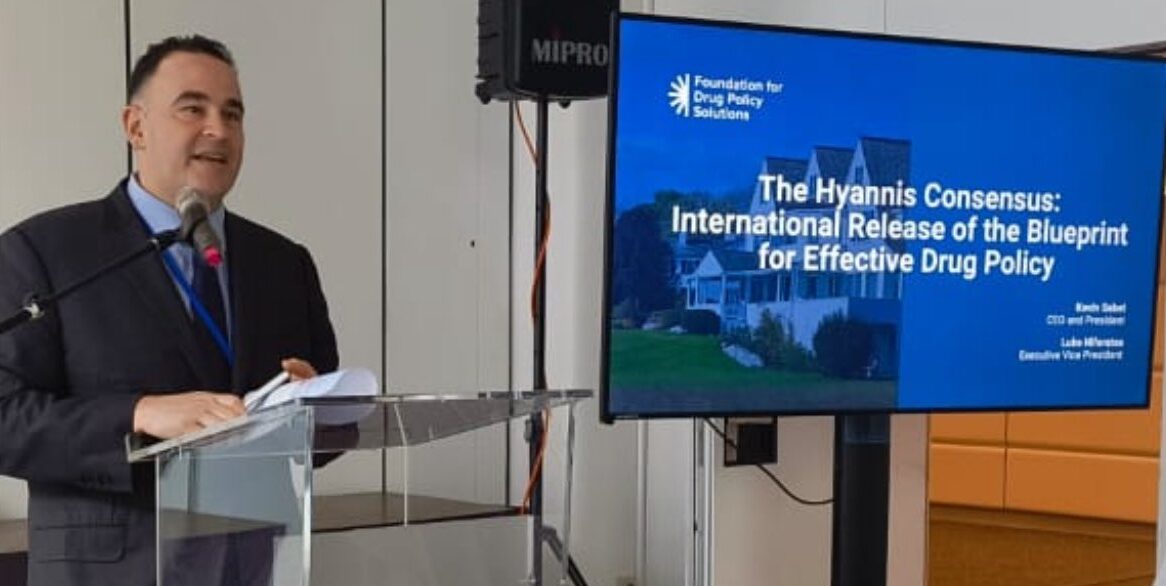
The global fight against addiction has taken an important step forward with the launch of the Hyannis Consensus Blueprint, an initiative that offers a comprehensive, balanced drug policy supported by leading experts and organisations. Speaking at the UN Commission on Narcotic Drugs, Dr. Kevin Sabet, President and CEO of SAM (Smart Approaches to Marijuana), highlighted the Hyannis Consensus Blueprint as a “blueprint for effective drug policy” introduced by international experts and organisations. He emphasised its focus on prevention, treatment, recovery, criminal justice, global cooperation, and supply reduction. Dr. Sabet also warned against the push to normalise drug use, describing the catastrophic human toll of addiction and urging nations to invest in the pillars outlined in the blueprint. His remarks underscored the need for a balanced, evidence-based approach to tackling drug-related challenges worldwide.
What is the Hyannis Consensus Blueprint?
The Hyannis Consensus Blueprint is a groundbreaking framework designed to guide international efforts in addressing the devastating impact of addiction. Key pillars shape this balanced drug policy, including prevention, intervention, treatment, recovery, supply reduction, and enhanced global collaboration. With addiction now at catastrophic levels in many regions, the blueprint represents a vital roadmap for sustainable change.
The principles outlined in the blueprint prioritise strategies that discourage drug use while addressing underlying systemic challenges. It promotes innovating criminal justice systems, encourages adopting evidence-based treatment options, and advocates uniting globally to combat addictive substances.
The Cost of Ignoring Addiction
Failing to address addiction comes with an enormous human and economic cost. The transcript from the Hyannis Consensus launch highlights a pressing need to move beyond toxic cycles of permissive drug policies and normalisation. Legalisation of drugs, as seen in North America, has reportedly led to devastating effects, particularly among young people, and prioritised corporate profits over public health.
The Hyannis Consensus Blueprint stands as a counterpoint to this trend. It promotes a world where communities can thrive without the shadow of addiction, empowering individuals to recover fully and lead drug-free lives.
Prevention and Recovery as Pillars of Change
At its core, the Hyannis Consensus Blueprint revolves around prevention and recovery. Prevention aims to stop drug use before it starts, while recovery offers individuals a path to rebuild their lives. This proactive approach aims to not only reduce harm but also transform lives for the better.
The blueprint urges balancing efforts across criminal justice and public health systems. Effective drug courts alongside harm-reduction interventions serve as vital tools in discouraging drug use and fostering recovery. Nations serious about tackling addiction must consider these solutions to safeguard future generations.
Governments Urged to Prioritise Resilient Societies
Governments worldwide are now being urged to realign their national drug policies with the principles of the Hyannis Consensus Blueprint. Countries are encouraged to reaffirm their commitment to international drug conventions, reject legalisation experiments that prioritise private interests, and expand programmes rooted in criminal justice reform and effective public health measures.
The launch of this blueprint serves as a rallying cry for nations determined to prioritise human dignity and community wellbeing. By adopting the Hyannis Consensus Blueprint, countries can pave the way for healthier, more resilient societies.
Why the Hyannis Consensus Matters
Addiction is more than an individual struggle; it’s a societal challenge that affects families, economies, and futures. The Hyannis Consensus Blueprint is a bold step towards reversing the tide of permissive drug policies and ineffective strategies. For countries looking to protect their citizens, this balanced drug policy provides the tools and vision necessary for meaningful change.
Organisations like the Dalgarno Institute and WFAD are at the forefront of this global effort, highlighting the importance of this significant, timely initiative. Communities deserve policies that prioritise recovery, not exploitation, and the Hyannis Consensus Blueprint is uniquely positioned to achieve this goal.
Learn more here.